Day 16: flower bed follow-up

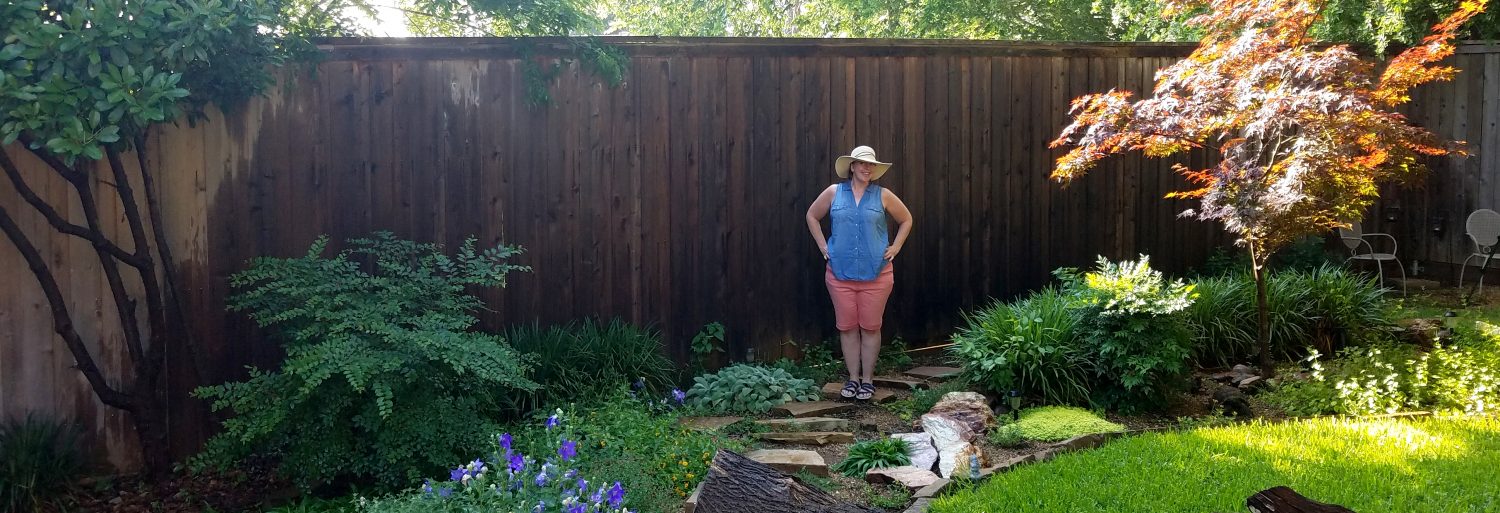
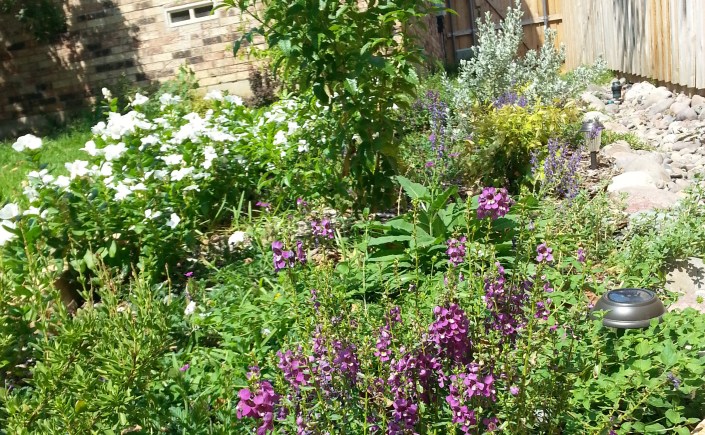
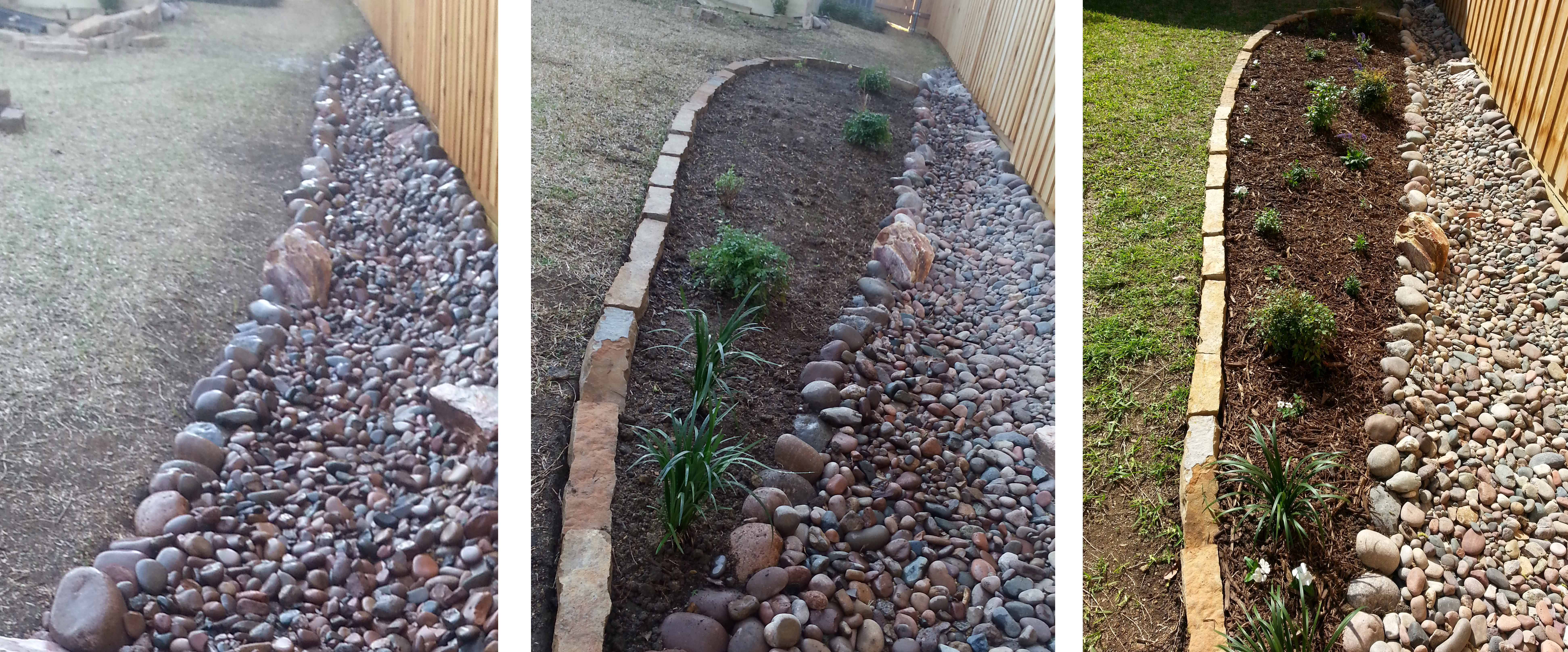
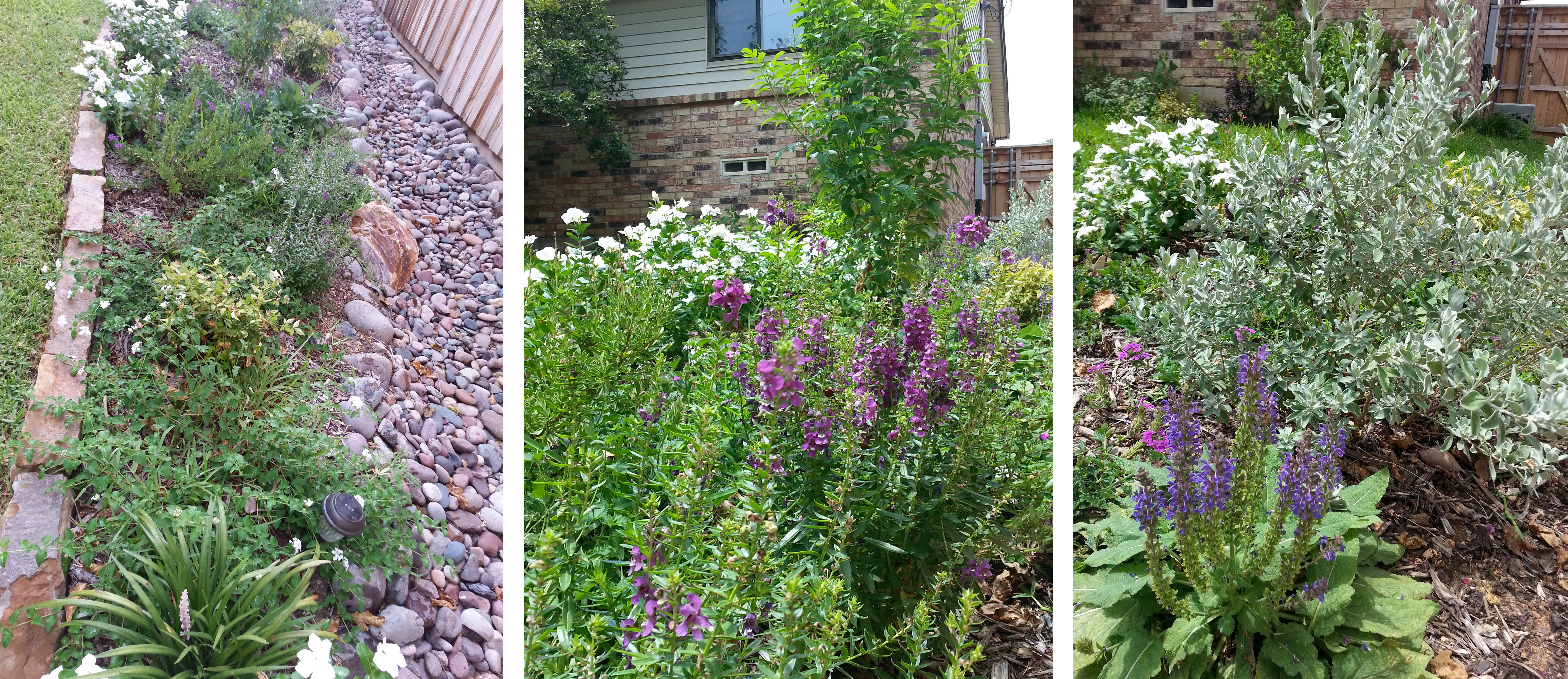
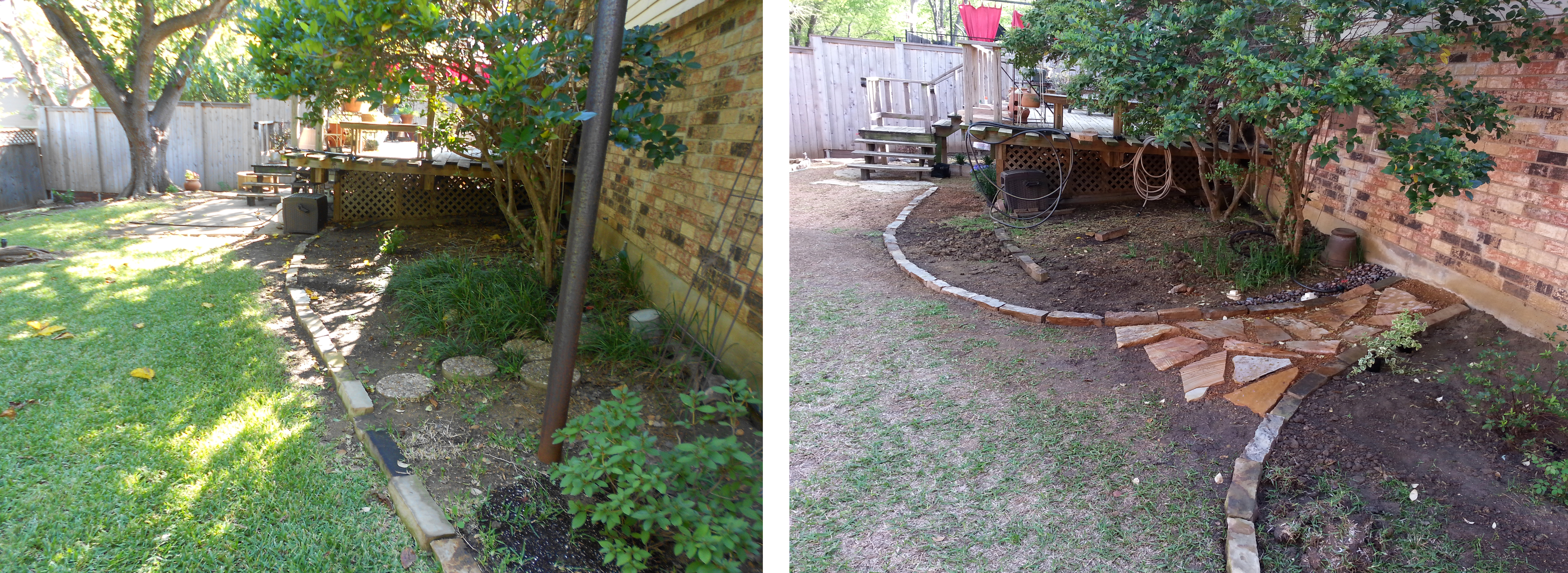
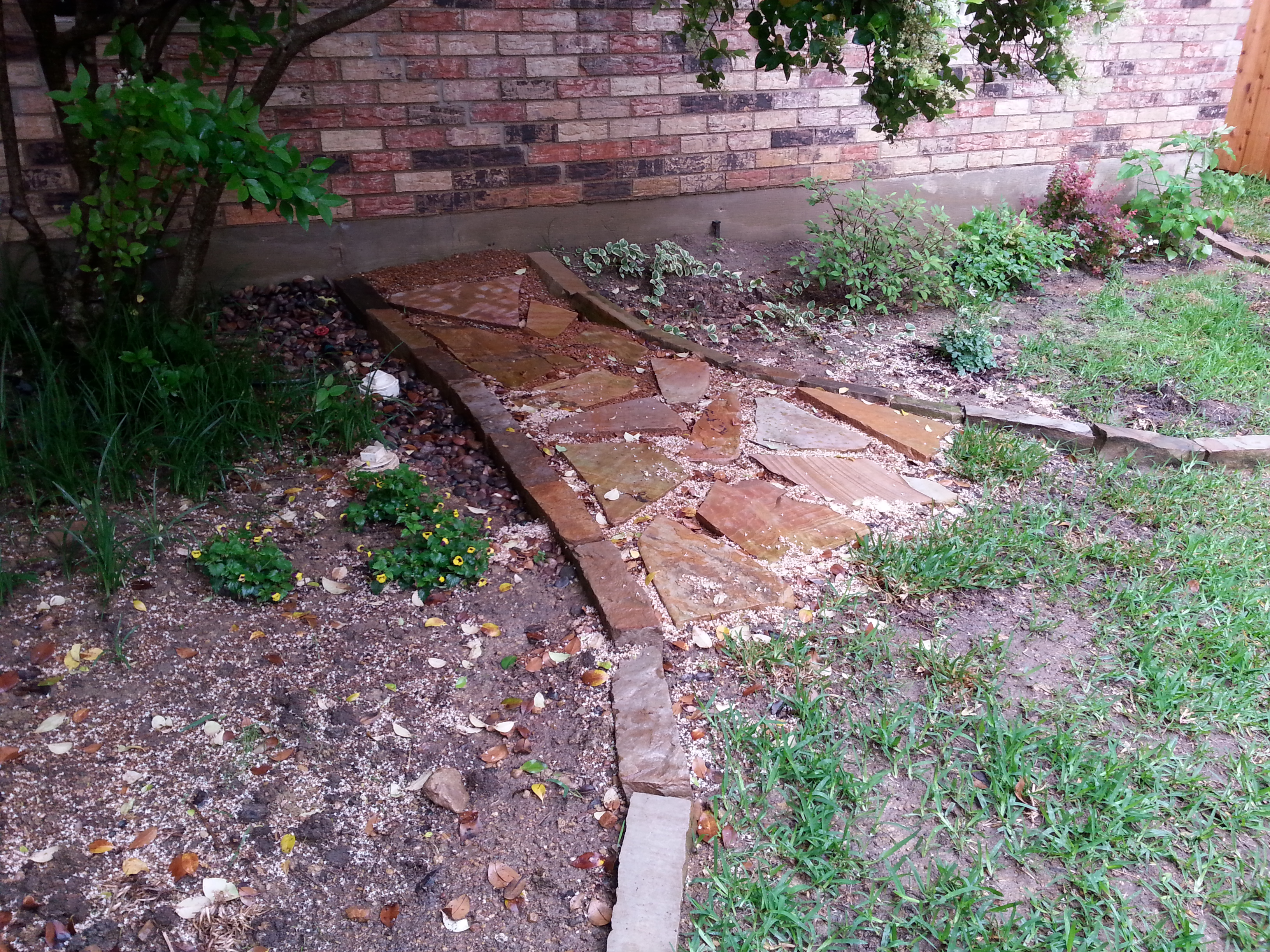
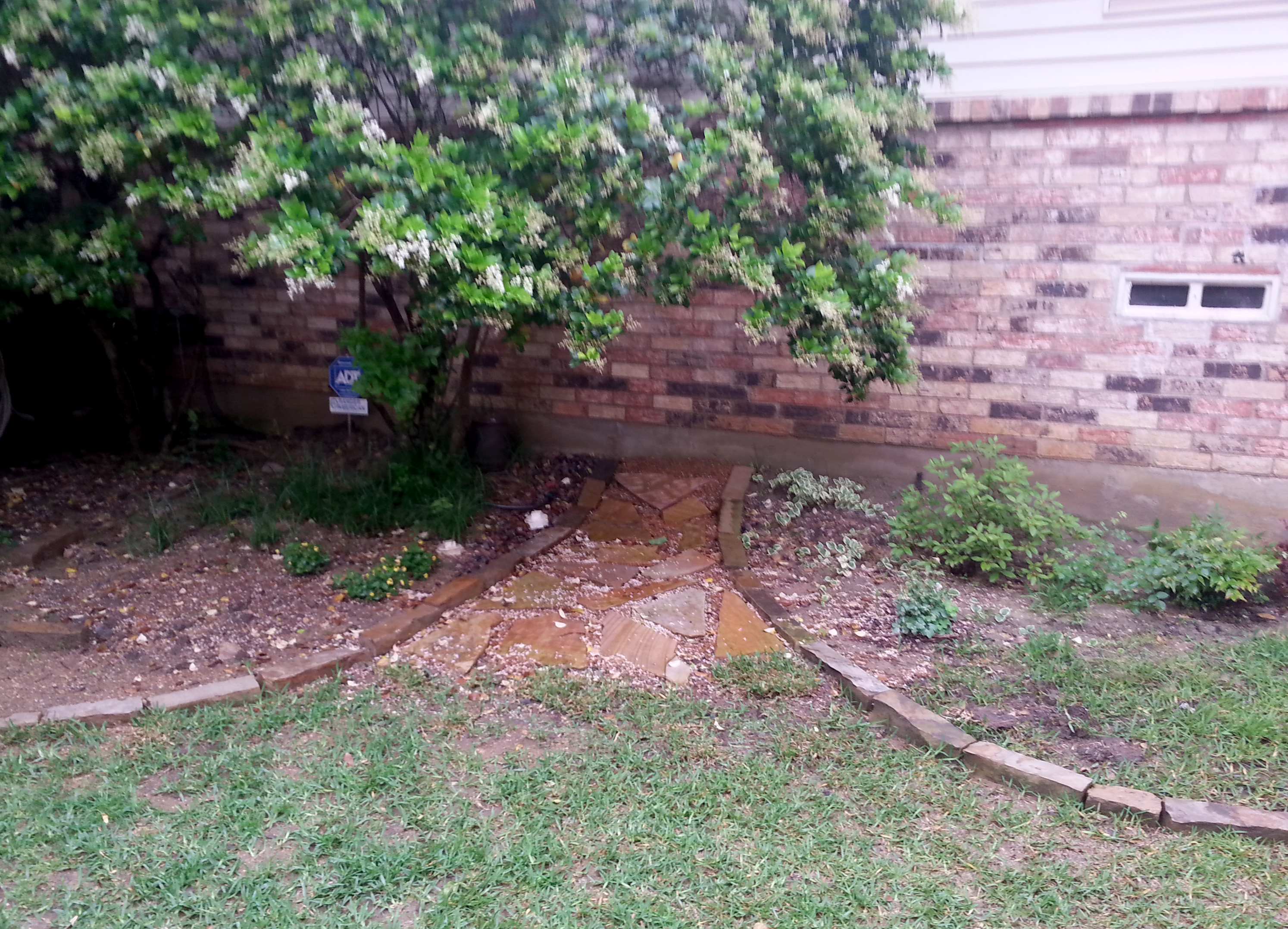
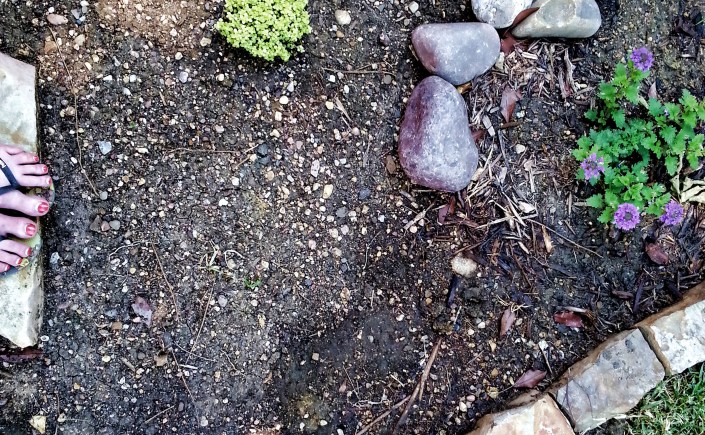
I started adding plants to my first flower bed beginning in February 2015. I began with drought tolerant perennials that would be the main feature; Salvia Greggii, Nandina, Texas Sage and Giant Liriope.

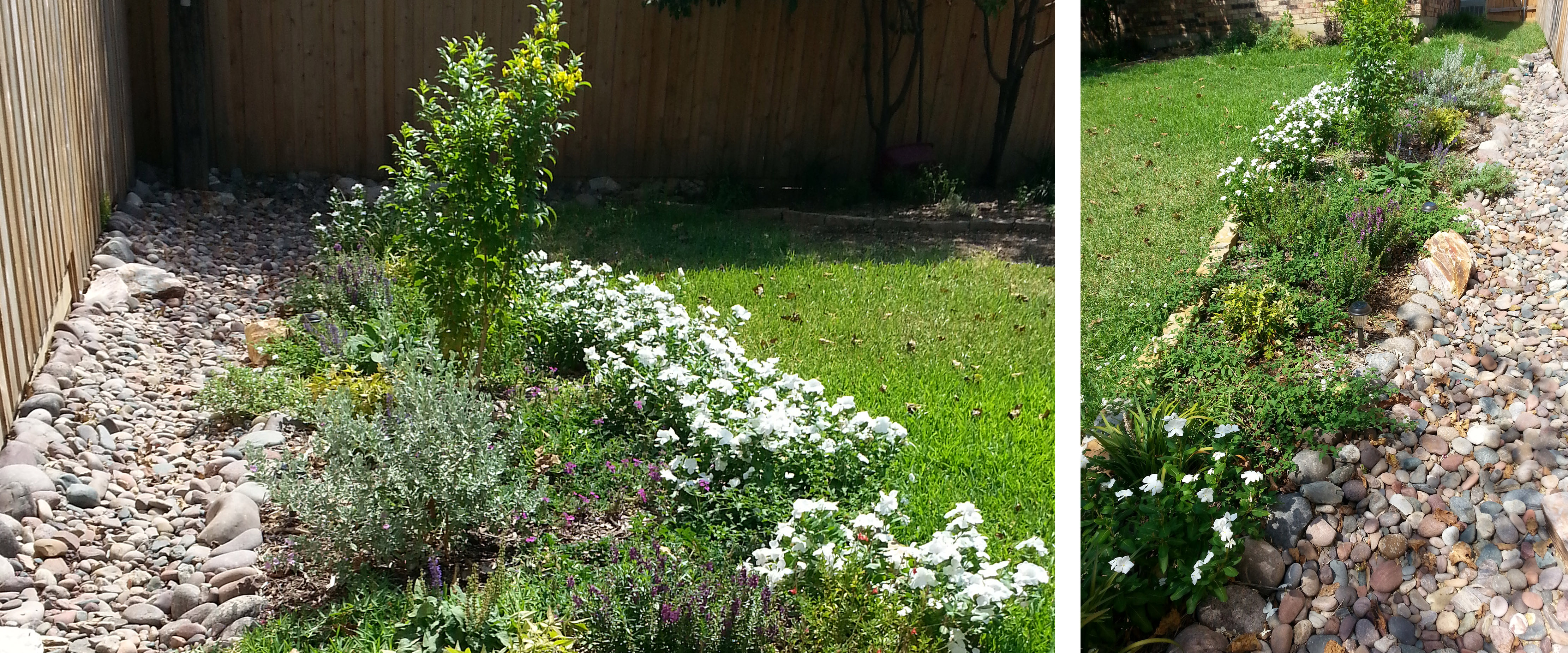
In late April I added annuals; Gold Star Esperanza, May Night Salvia, Trailing Lantana, Angelona, Verbena,  Vinca and another Texas Sage. I wanted to use annuals to fill the bare spots until the perennials filled in.

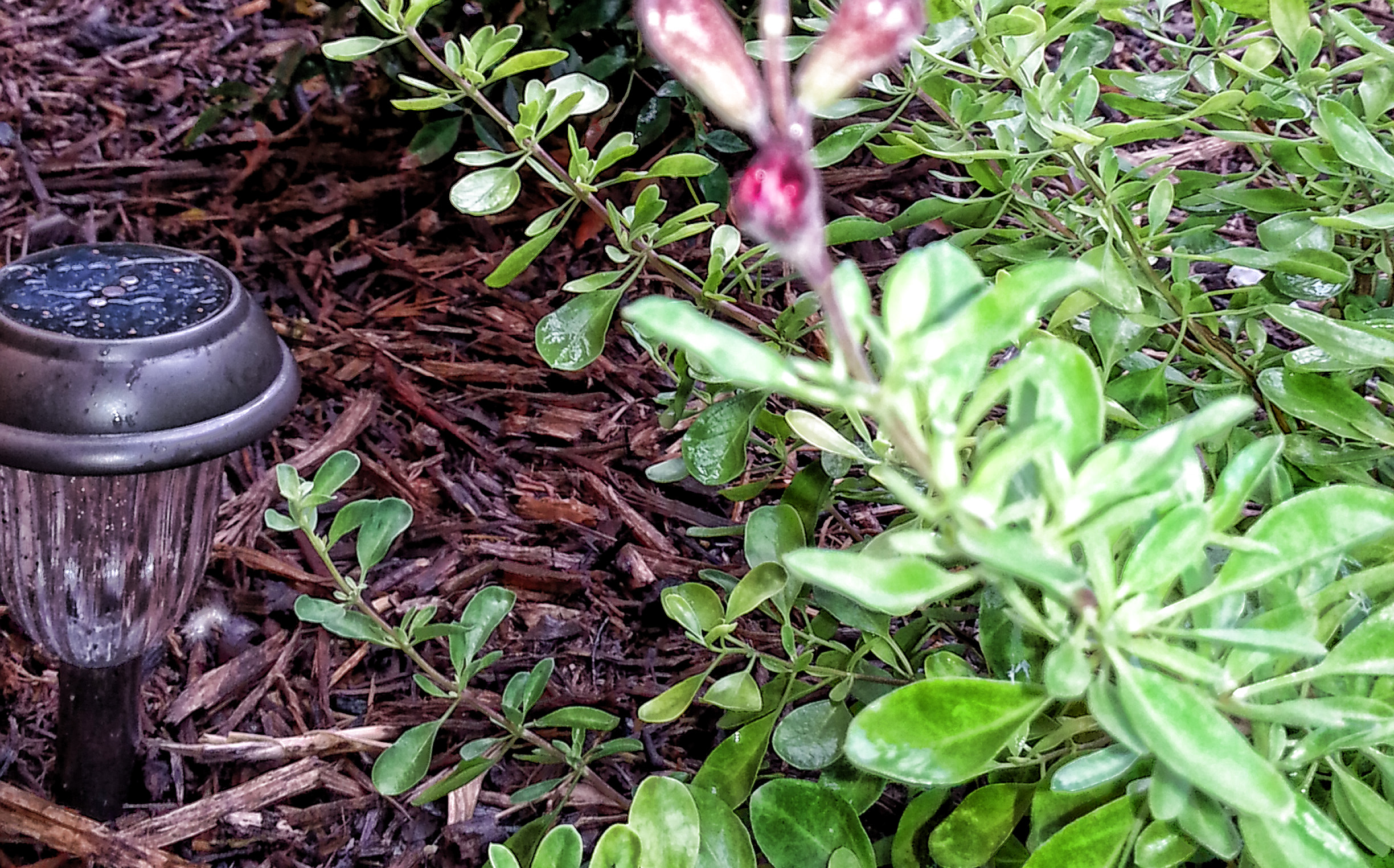
Out of the perennials planted, only the Liriope flourished. The Salvia and Nandina are still struggling and the first Texas Sage died. I truly believe it’s the soil. I plan to amend the soil in the late fall once all the annuals die off. My yard is made of heavy clay and unfortunately it takes multiple seasons to improve the soil composition. I must be patient.

Overall I’m really enjoying my first flower bed. The perennials aren’t as peppy as I would like. My second Texas Sage is finally starting to take hold. The Esperanza shot straight up overnight and the annuals are as happy as can be in the Texas heat.

flowerbed_dc the beginning

flowerbed_dc3-today

flowerbed_dc3-today2 copy

Burlap Banner

Apparently burlap banners have become a trendy must-have for various celebrations, including baby showers. Unfortunately I was unaware of top banner trends, so I turned to Pinterest for inspiration.

With easy instructions found on Pinterest and a list of supplies, I was off to my local Michael’s, a Dallas area craft store.

Materials Needed:
B&W Printer & Paper – to print off the Letters for the banner
Fabric Paint – I selected Navy for this project
Scissors
X-acto Knife
Stencil brush
Blue Painter’s tape
Twine
Burlap fabric
Clear Nail polish

First up, figure out how large each burlap piece should be.
When considering the size, you must take into account how many letters are needed and the size of the wall the banner will hang.  If the letters are too big the banner will look horsey. Too small and it will get lost on the wall. After testing out a couple of sizes, I landed on 6″ w x 8″ h rectangles.

Next is creating your stencil. You can always opt for pre-cut stencil letters at your local craft store but since I have access to a printer. I made my own.

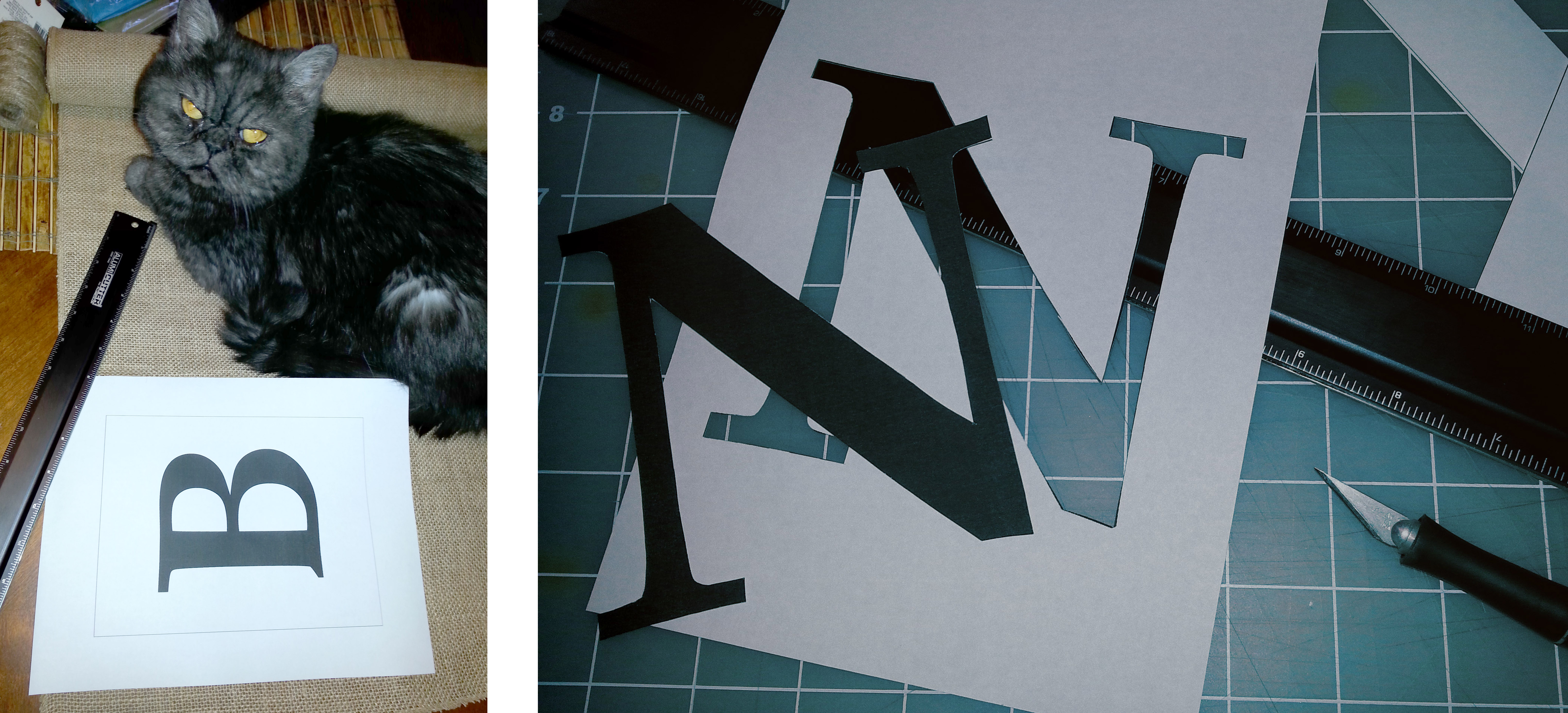
With the aid of my cat Trinity and my computer, I designed the letters using Adobe Illustrator. I created a 6″ x 8″ black key-lined box and inserted a letter in the center as large as it would go and still look nice.  For my chosen font I used Palatino and the size of each letter was 450pts.

Each letter should be printed on a separate piece of paper. Cut around each letter very carefully, avoid cutting into the white areas. Finally cut out your box’s outline. The remaining white portion is the stencil.

stenil2

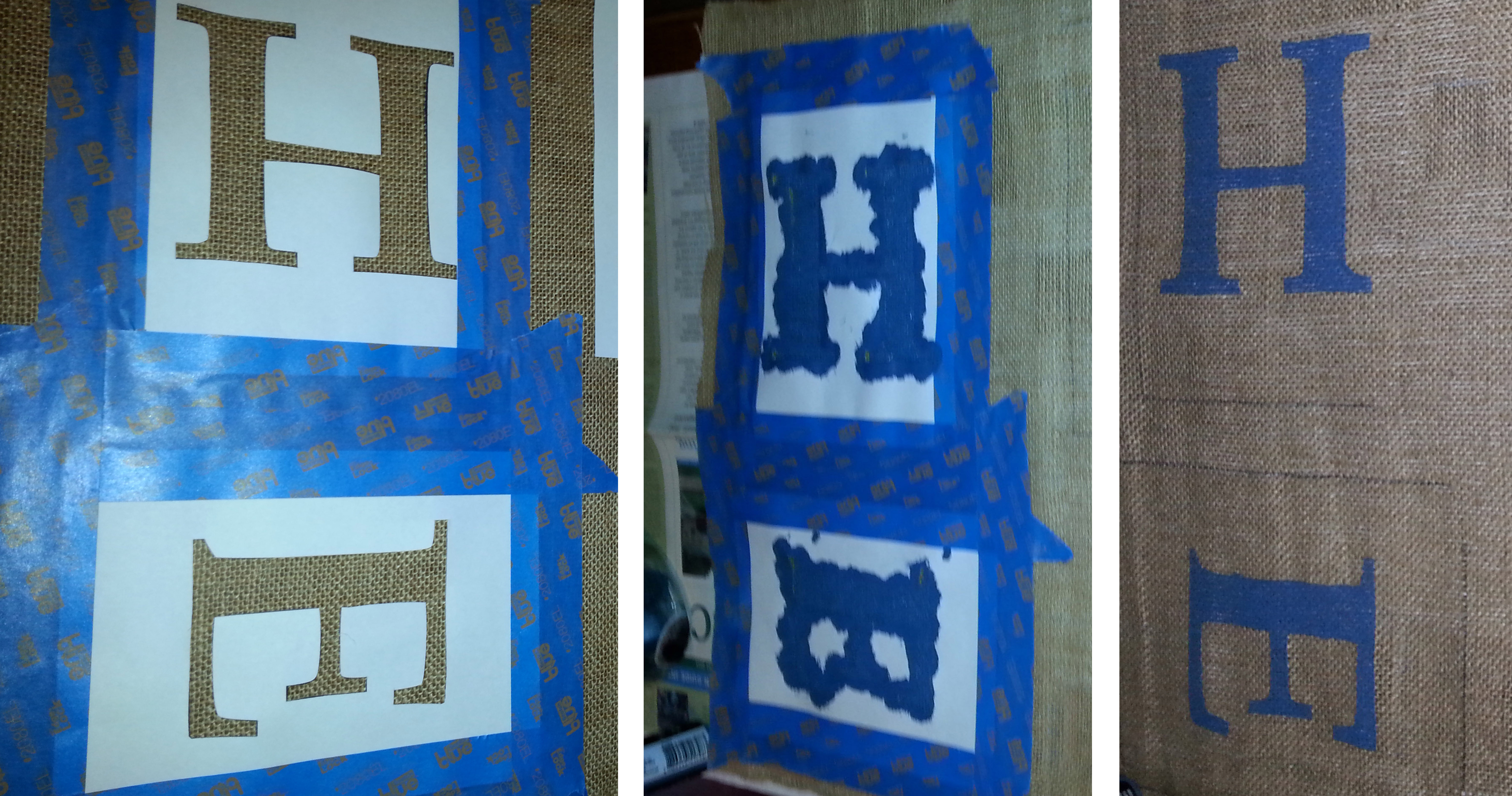
Place the stencils on the burlap, arranging far enough apart so the squares do not overlap. Use a pencil to outline each square. This will serve as a cutting guide for the squares once the paint has dried.

Tape the stencils down securely. You don’t want anything to move around once you start.

Grab your stipple brush and start dabbing the paint on the letters. I chose to remove the tape shortly after I was done allowing the letters to dry fully over the balance of the afternoon.

tri_banner

Once all the letters were completely dry, I started to cut the squares, following the pencil lines. Unexpectedly the burlap started to fray as I cut, not good.

Apparently working with burlap has a downside and before I could continue with the project I had to find a solve for the banner that was unraveling before my eyes.

The “fix” for frayed edges depends on who you ask and what you find online.
With the craft store closed, I opted for clear nail polish.  The nail polish dries slightly darker than the raw burlap so I created a half inch border on all sides so it would look intentional.

Screen Shot 2015-08-12 at 12.56.24 PM

After the nail polish borders dried it was time to add the twine/string. To make the twine easier to thread, I used a large “eyed” needle to guide the twine through each square. The weave on burlap is pretty open so adding the twine was a quick process.

Screen Shot 2015-08-12 at 1.09.08 PM

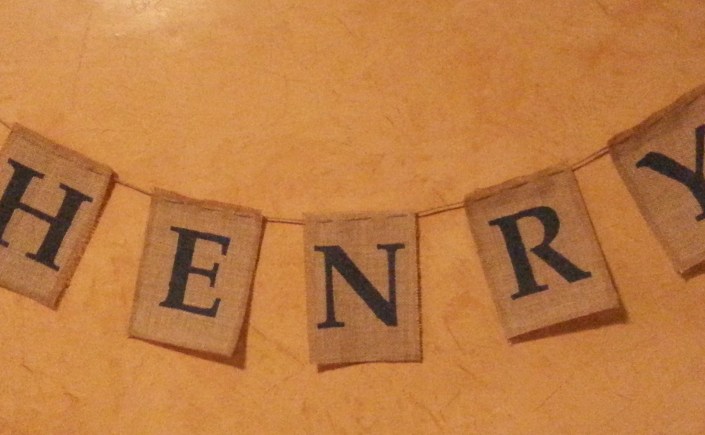
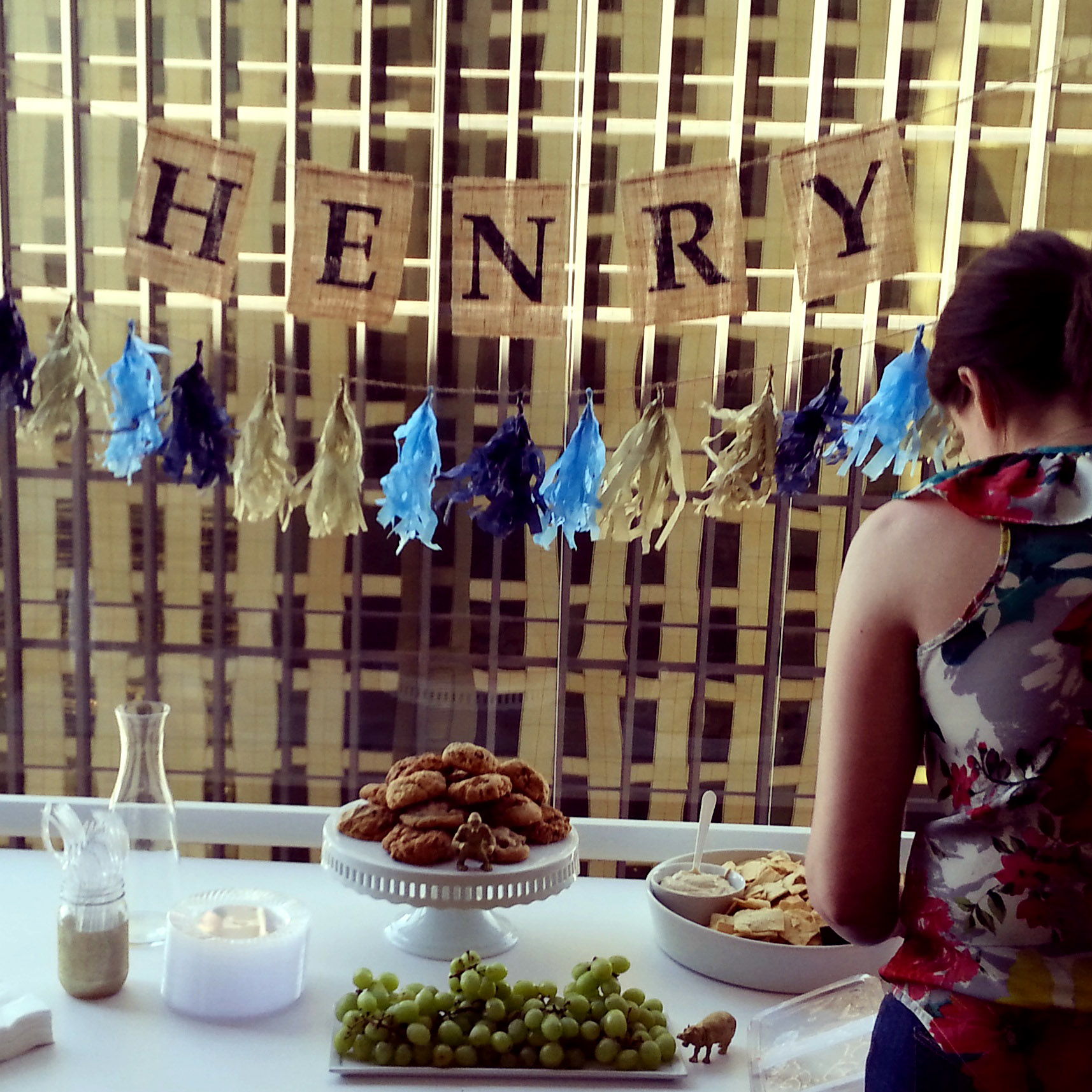
I’m very happy with how the banner turned out.
Success!

final_banner

Day 15 : going back to bed

letthereberain

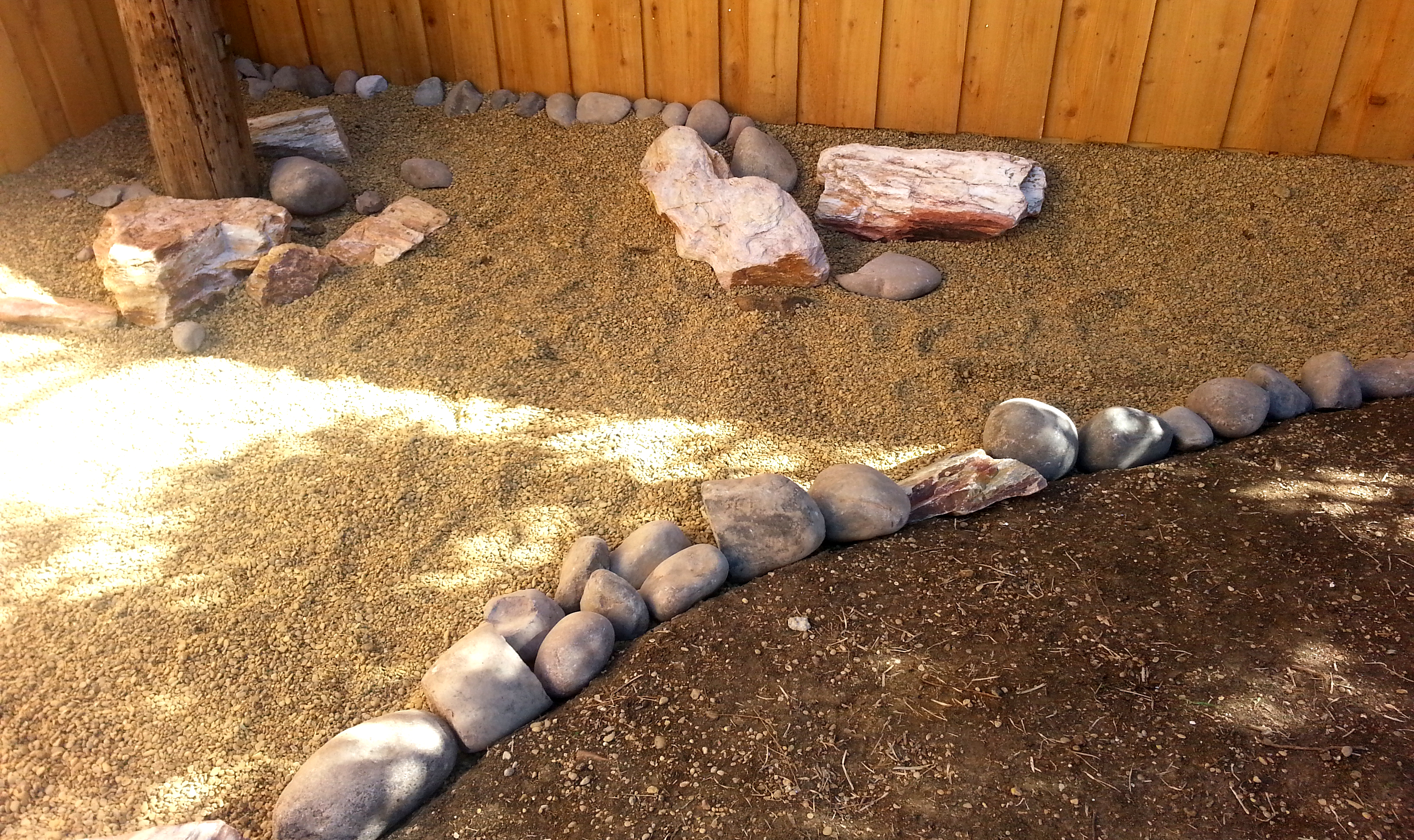
A little over a month ago, with the first flowerbed complete, I decided to tackle the next two beds on my “to do” list. It was the weekend of April 4th, a golden opportunity. The next wave of rain was predicted to hit later in the week.

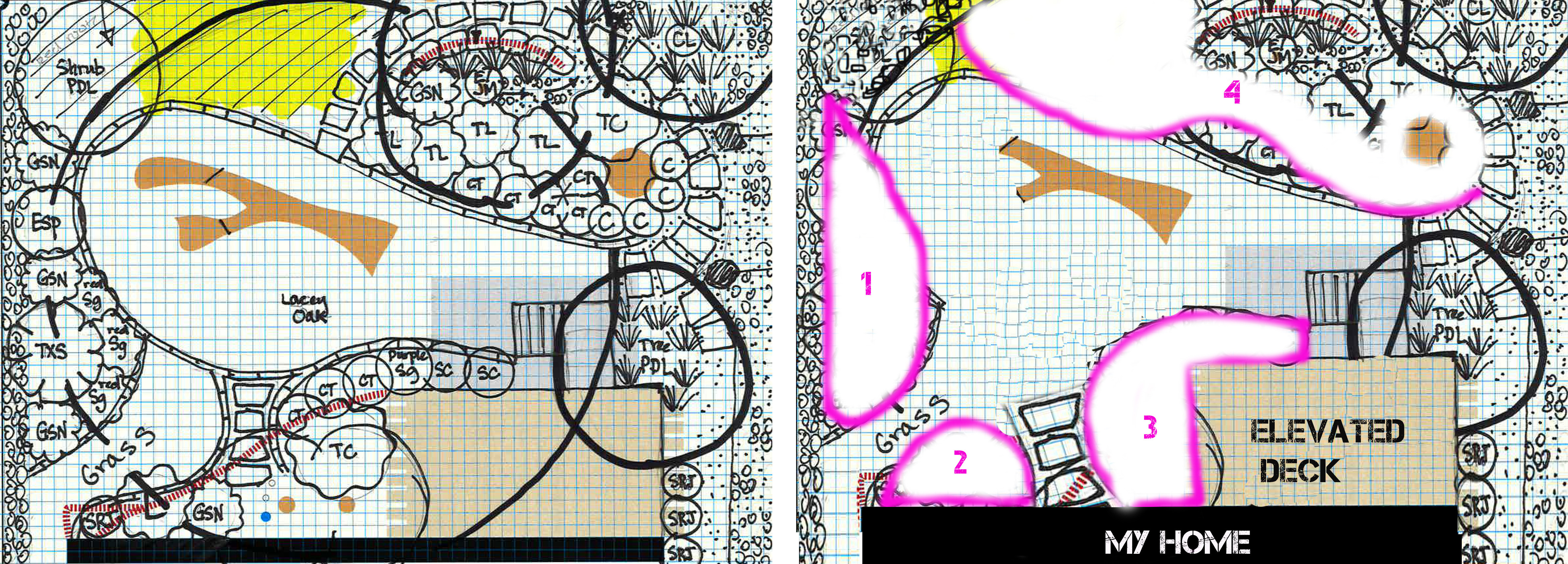
The design for my backyard, showed three medium-sized flowerbeds with one large bed meandering across a good portion of the yard, for a total of four. I deviated from the plan slightly, nothing major, as you can see below. The goal is an organic space.

planschange

The new flowerbeds against the house were pretty basic. I had already outlined the shape in February when I constructed the flagstone path to the facet. The ground had dried just enough to be easily manipulated. It’s difficult to work with compacted mud, but if you time it just right, after a good rain (say 7 to 10 days) the ground is primed for easy digging.

For the two beds, I wanted to concentrate on getting the chop rock borders set. Tilling and mulching the beds will come later, once the soil has dried a bit more.

The plan of attack was as follows:
1. Remove the existing border and stepping stones
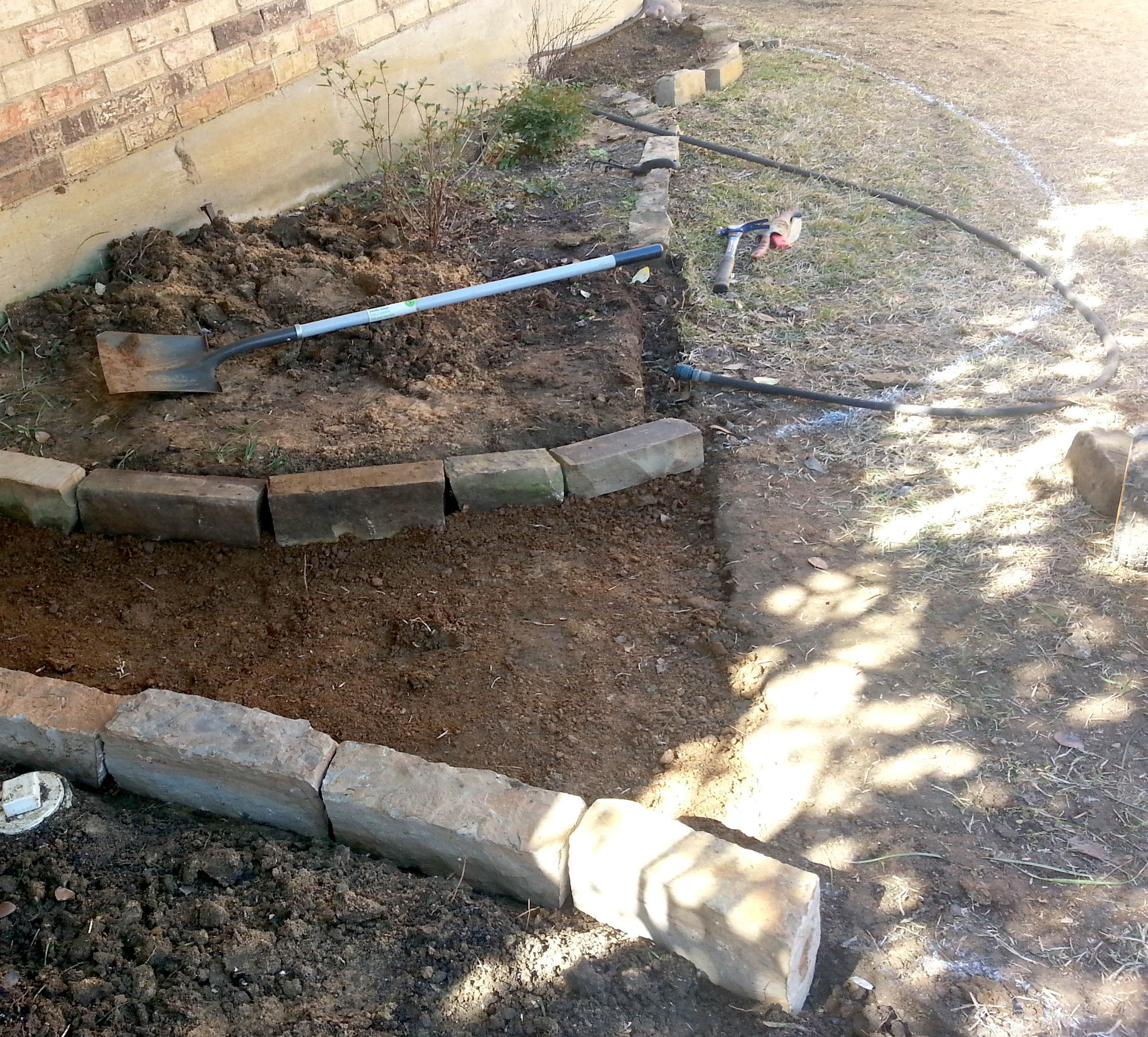
2. Use the garden hose to figure the shape of the beds.
3. Spray paint along the edge of the hose, creating a dig line.
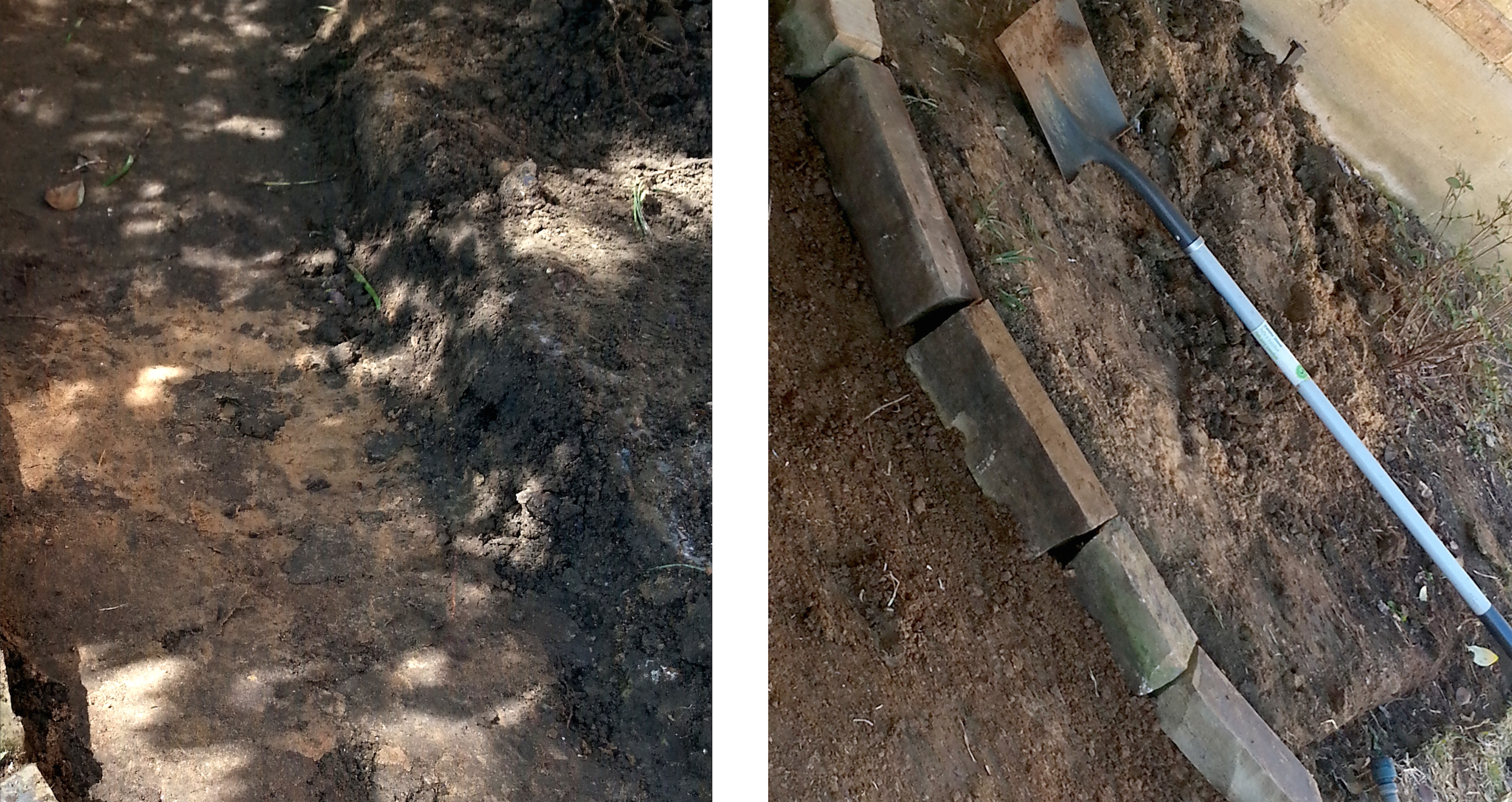
4. Dig the new edge just wide enough to accommodate the chop rock
5. Place the leftover decomposed granite (sand works too) into the newly cut edge.
6. Insert the chop rock.

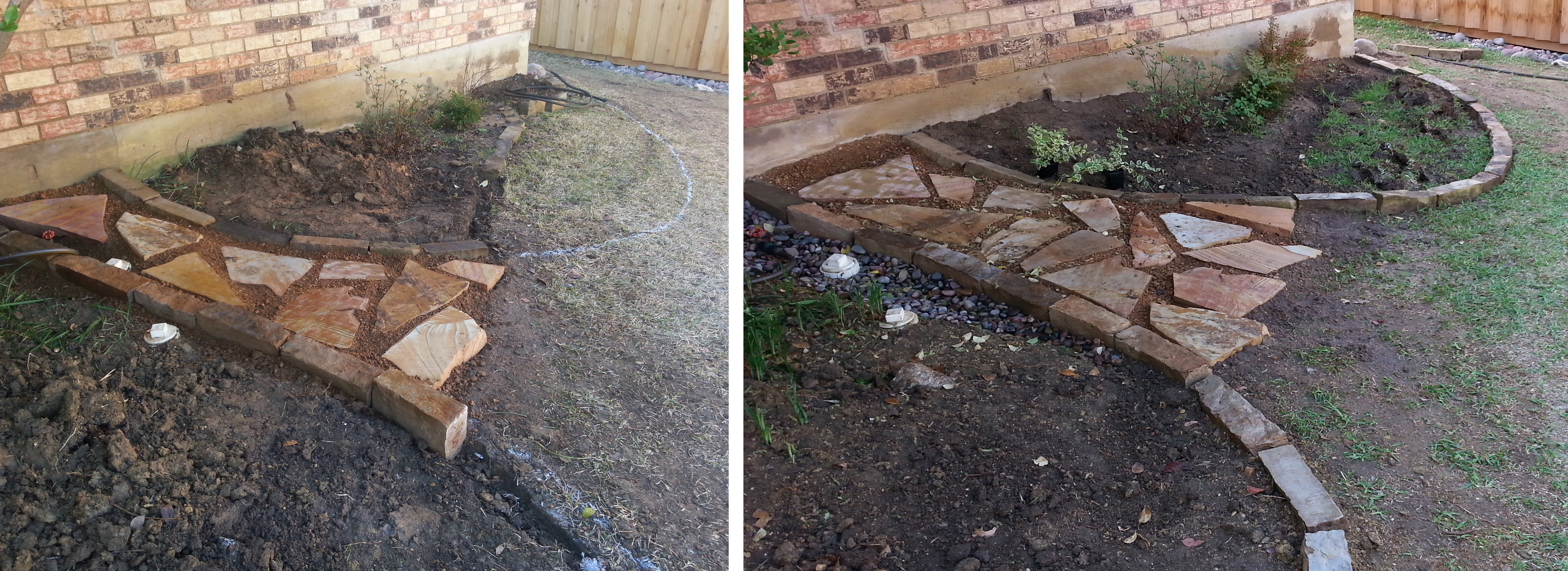
flowerbeds3

old_new_borderline

Building the two beds took the weekend, about 5 hours each day. I didn’t leave the chop rock above the ground very high. Creating a structure that holds water against the house is never recommended. The flowerbeds are more like edging, allowing the water to escape as needed. The flowerbed along the dry creek bed is higher than the beds flanking the house, this was intentional.

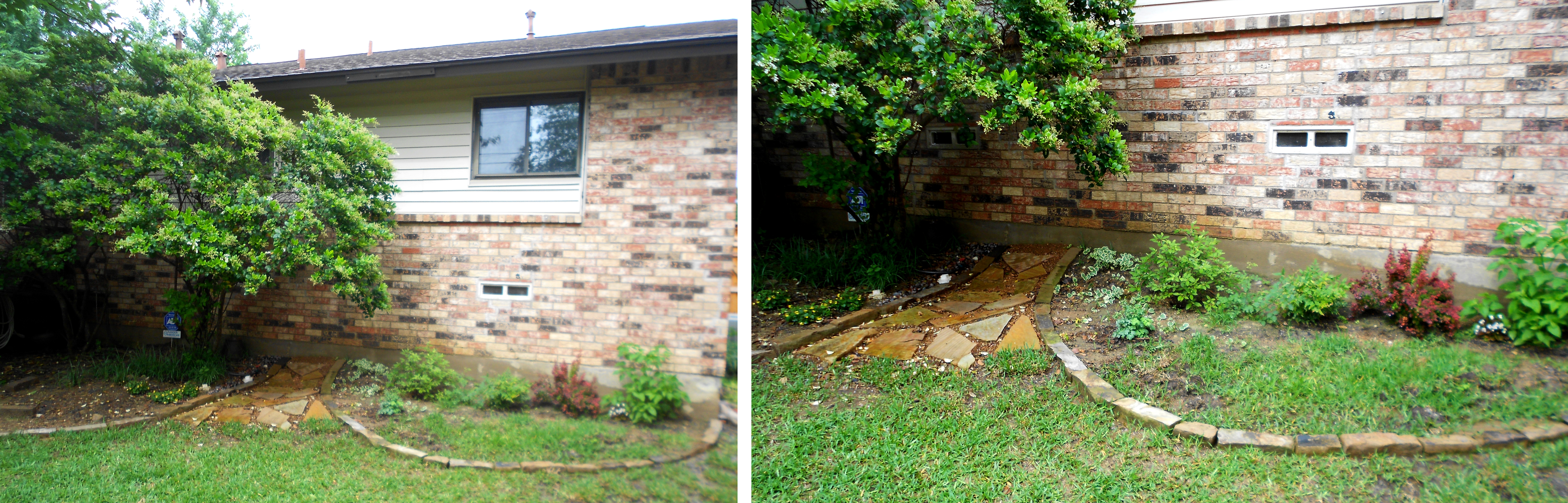
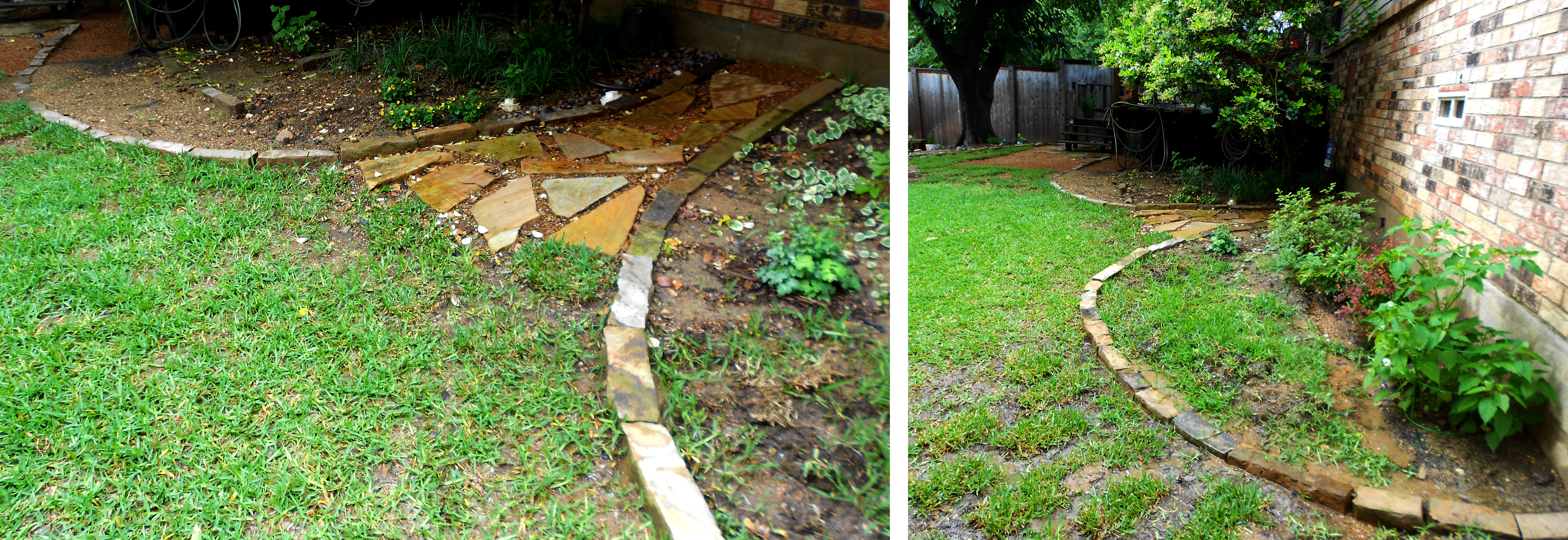
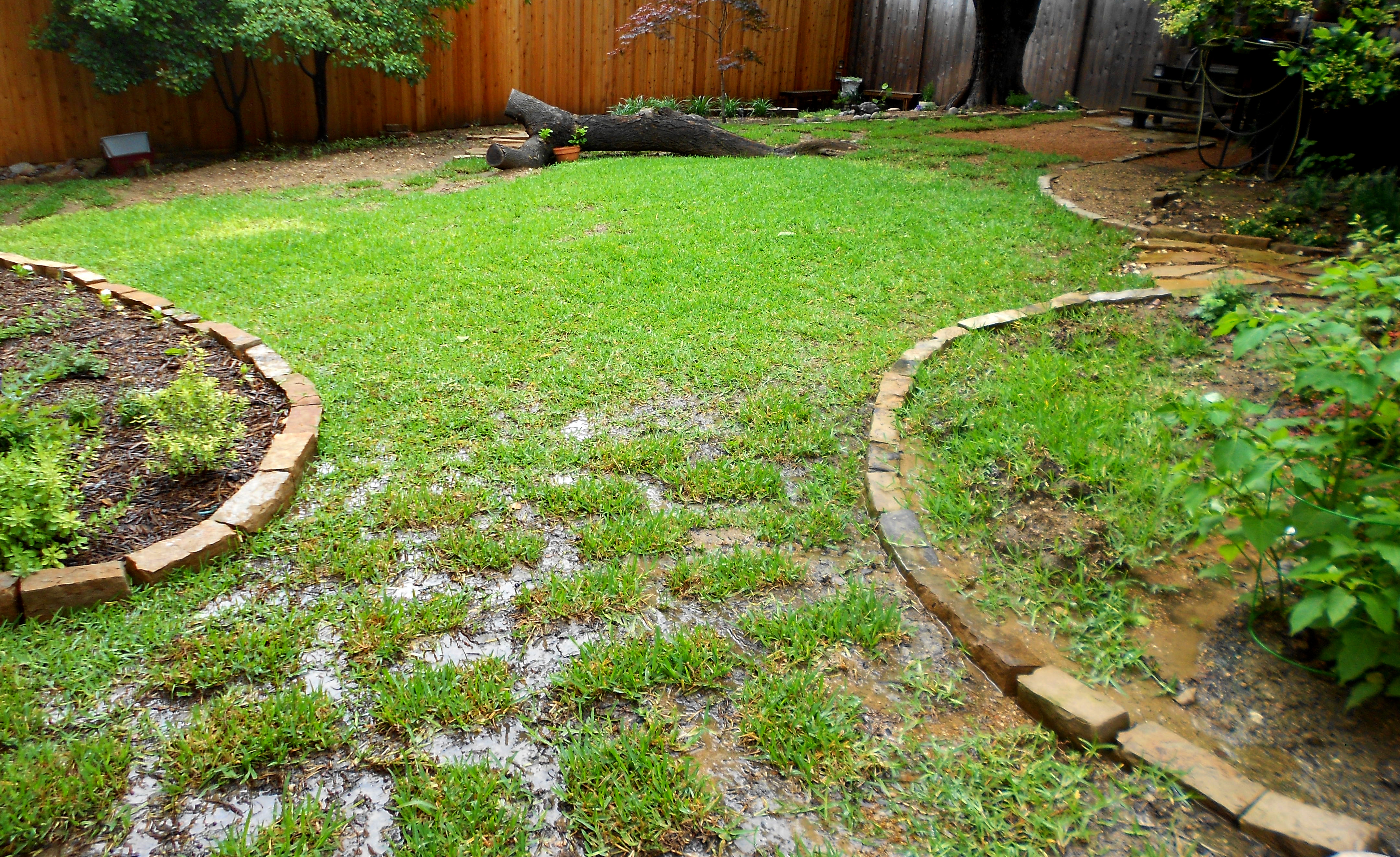
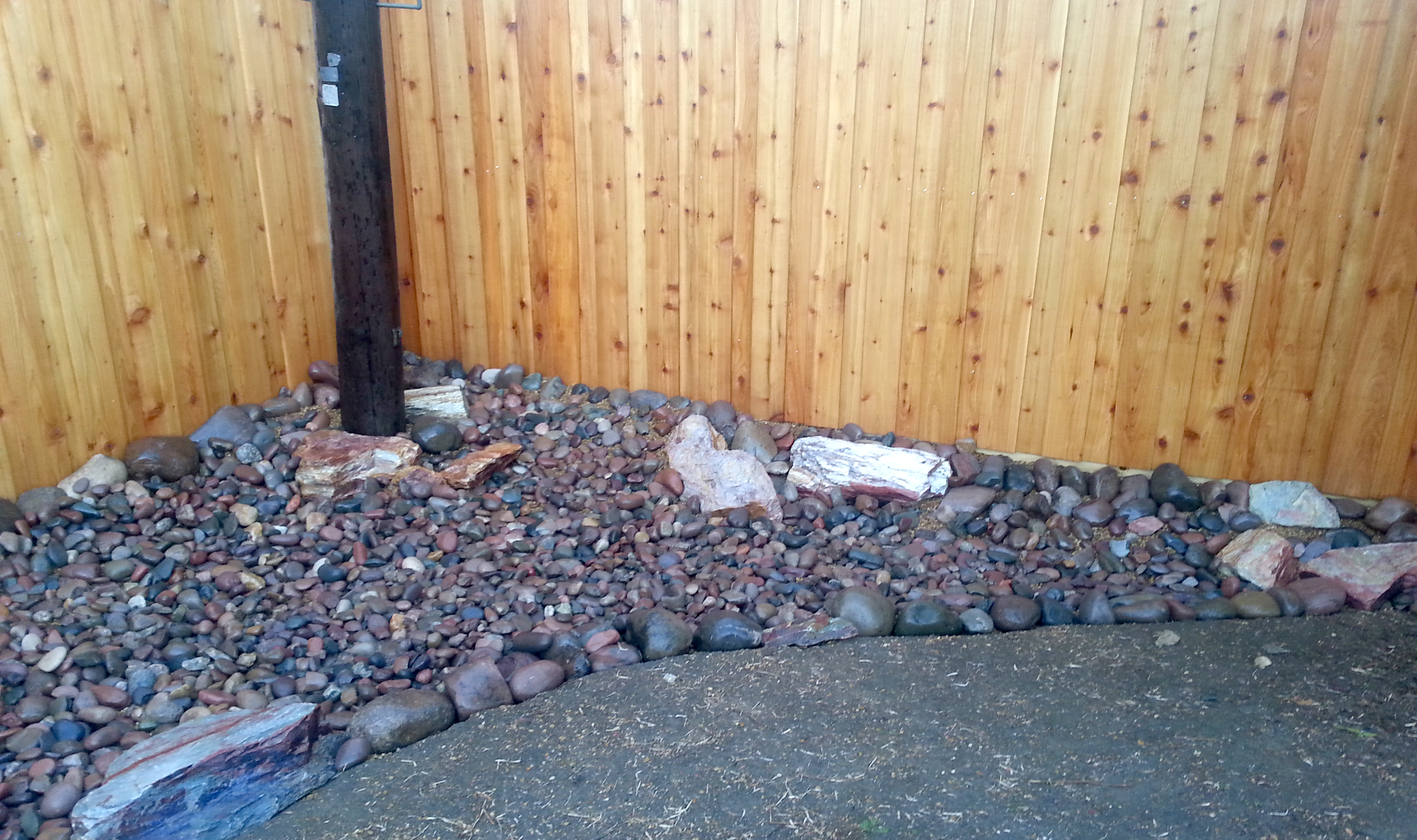
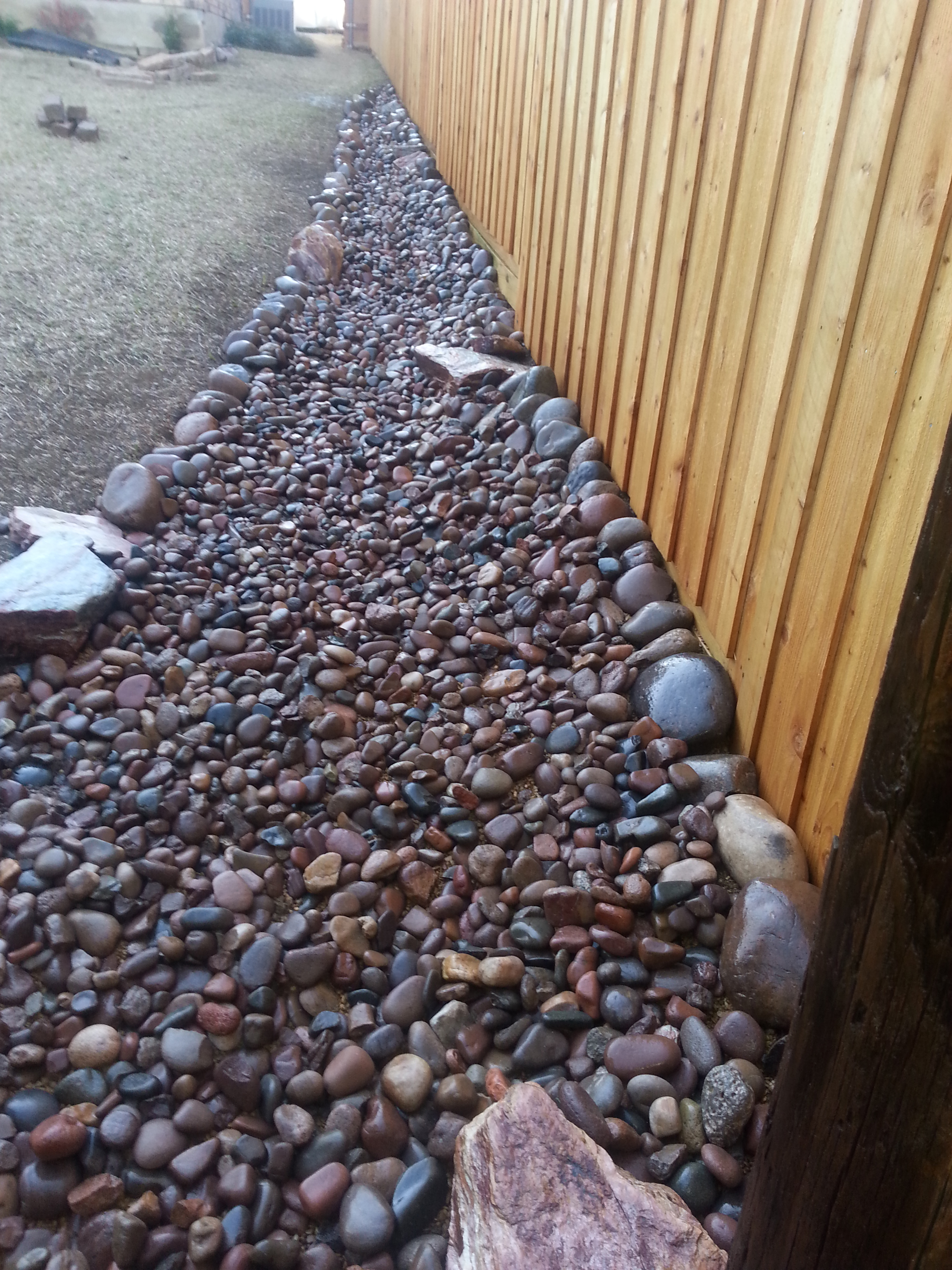
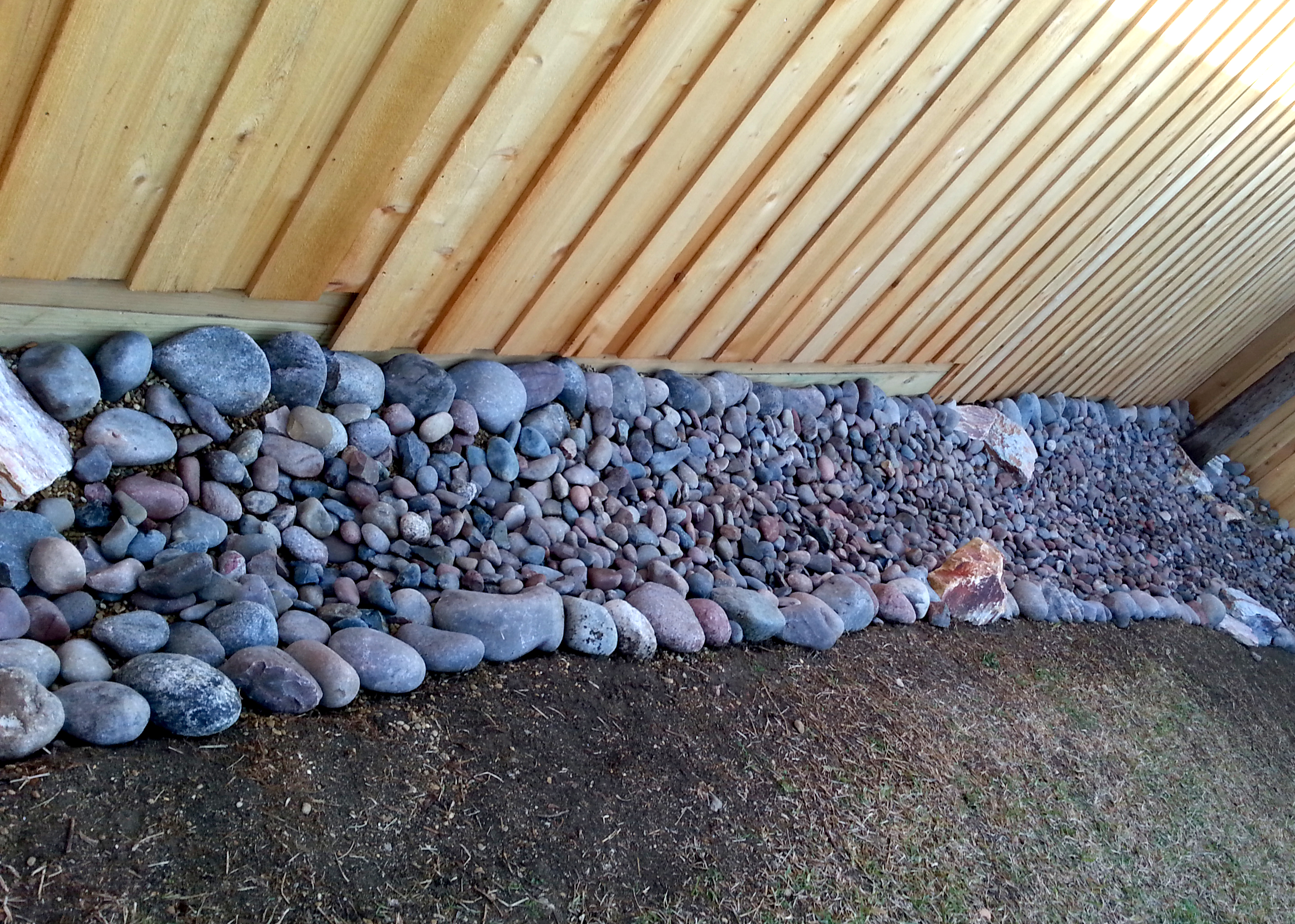
The images below, were taken this morning, a little over a month after the beds were installed.  The Dallas area had another massive storm roll through in the wee hours of the morning.

The yard is a lake, but the new sod has started to spread and the contrast in color against the chop rock makes me happy. I’m still waiting to till, mulch and plant new flowers in the two beds. The rain is a constant this May. I might get a dry day, once a week, but that’s not helpful. At this rate, the beds will be prepped and ready by July/August. The hottest months during a Texas Summer. Joy!

flowerbeds_after rain

flowerbeds_after rain_side

3 flowerbeds_after rain

Day 14: don’t be a drip

walkwaycvr3

My outdoor facet isn’t the most glamorous aspect of a yard, but it does play an essential role. Why not create a fun path for easy access? Why not, indeed!

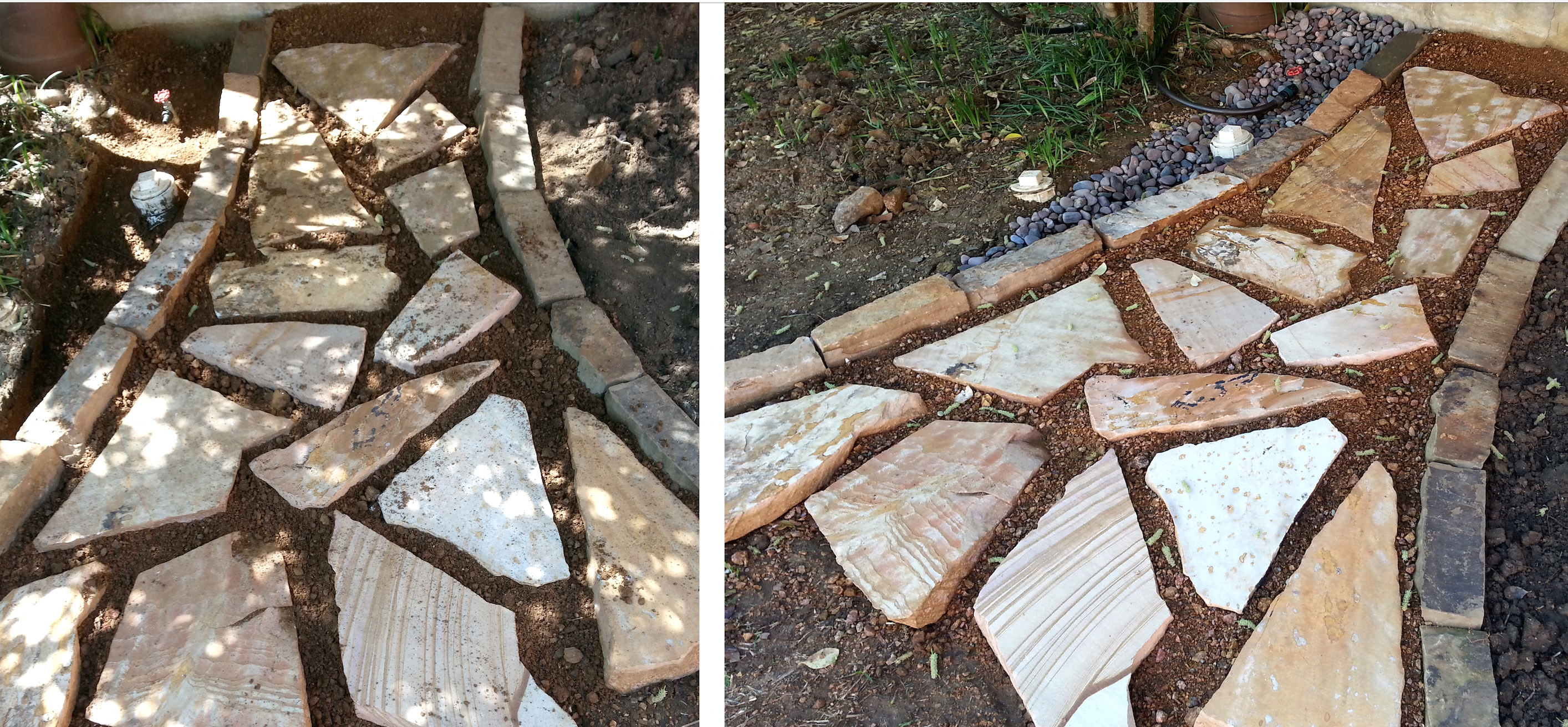
Before I got underway, I had to determine the shape of the two neighboring flowerbeds. The path made more sense if it brought the two flowerbeds together in an eye-catching, inviting way. Once the flowerbed shape was determined, I was ready to dig in.

The “To-Do” list:
1. Figure out the final shape of the two flowerbeds
2. Dig the path about half a foot deep, incorporating a slope.
3. Add a thin layer of decomposed granite, for the base.
4. Insert chop rock along the edge of the path
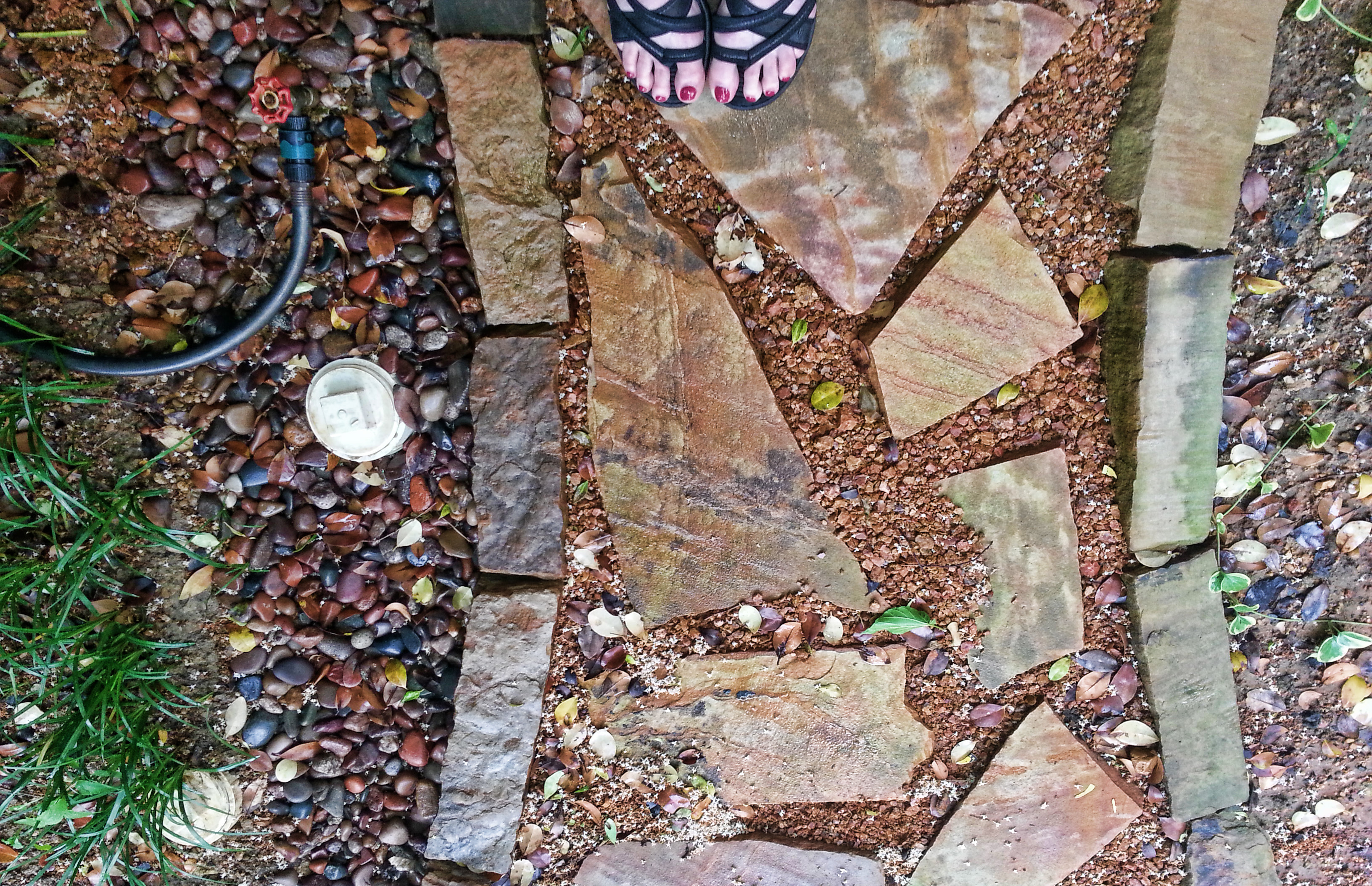
5. Place the flagstone randomly along the path, until it “felt right”
6. Add more decomposed granite, between the stones until it is flush with the top edge.
7. Incorporate a small river rock section encasing the facet, to keep the mud to a minimum
8. Smile.

side note: The path was built on a slight slant to ensure excess water wouldn’t pool against the foundation – a huge no-no.

walkway_thedig

walkway3

walkway9

20150510_131924

facetpathway

Day 13: sod it to me

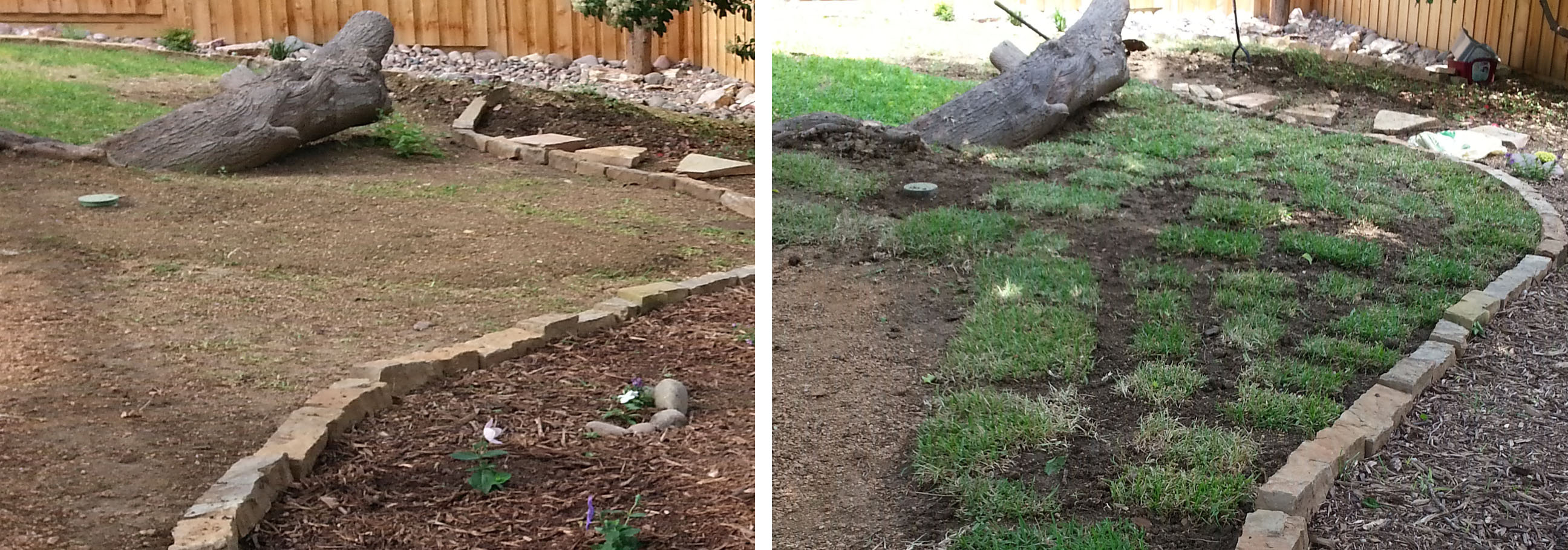
Before the sewer line break, I had a lush St. Augustine lawn, afterwards the yard was reduced to a muddy mess. Muddy, because DFW has experienced one of the wettest Springs in recent years. Yes, all this rain is great for the area lakes but bad news for my exposed, naked, sloped yard. Without grass to hold the soil the backyard is basically washing away.

At the first hint of sunshine, I made plans for my next project, sod.

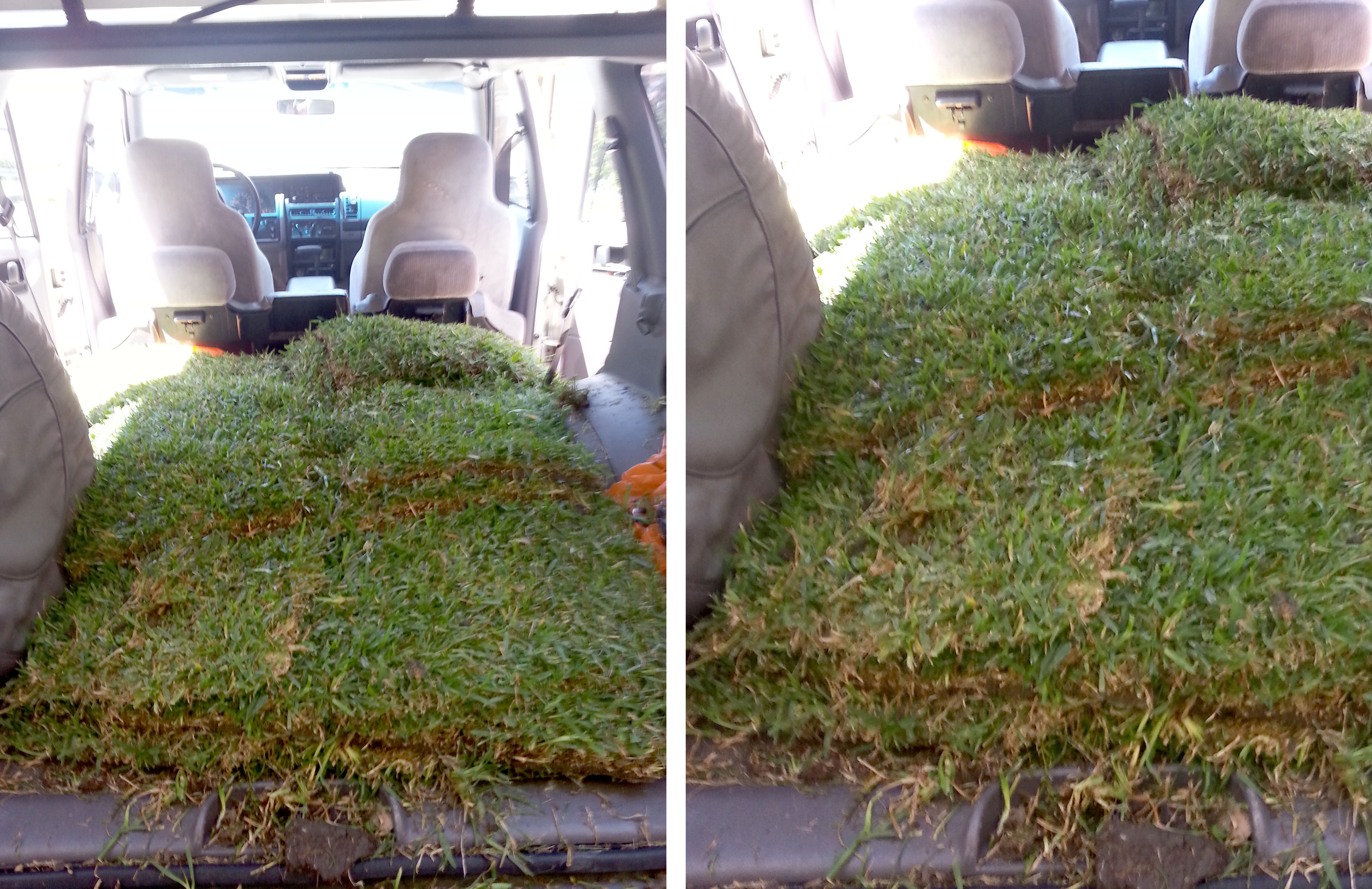
To start, I needed St Augustine grass. I tried several of the local “chain” home improvement stores, no luck. I called my favorite nursery, Covington’s in Rowlett. Great news, they currently had 200 pieces in stock. Thrilled, I jumped in my Jeep and headed to the nursery 40-minutes away.  When I arrived, I was informed they had just sold the remaining grass, less than 15 minutes earlier. Disappointed, I smiled politely, thanked the staff and walked away. A nice young man quietly followed me out of the shed and gave me the name of the nursery’s turf supplier, a family-owned business A & W Turf, located less than 10 minutes away. 🙂  With a grateful smile and a handshake, I was on the road once again.  The grass was super healthy, lush, and harvested the day before from a local farm. They loaded my trusty old Grand Cherokee with as much as it could hold without blocking the back window, 64 pieces in all.

http://www.covingtonnursery.com.     www.awturfgrass.com
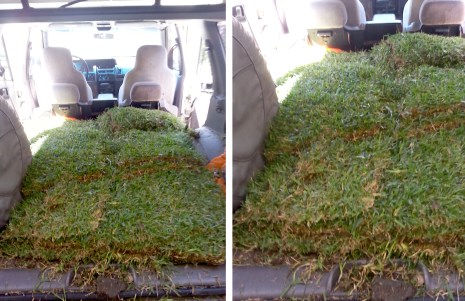
sod_jeep2

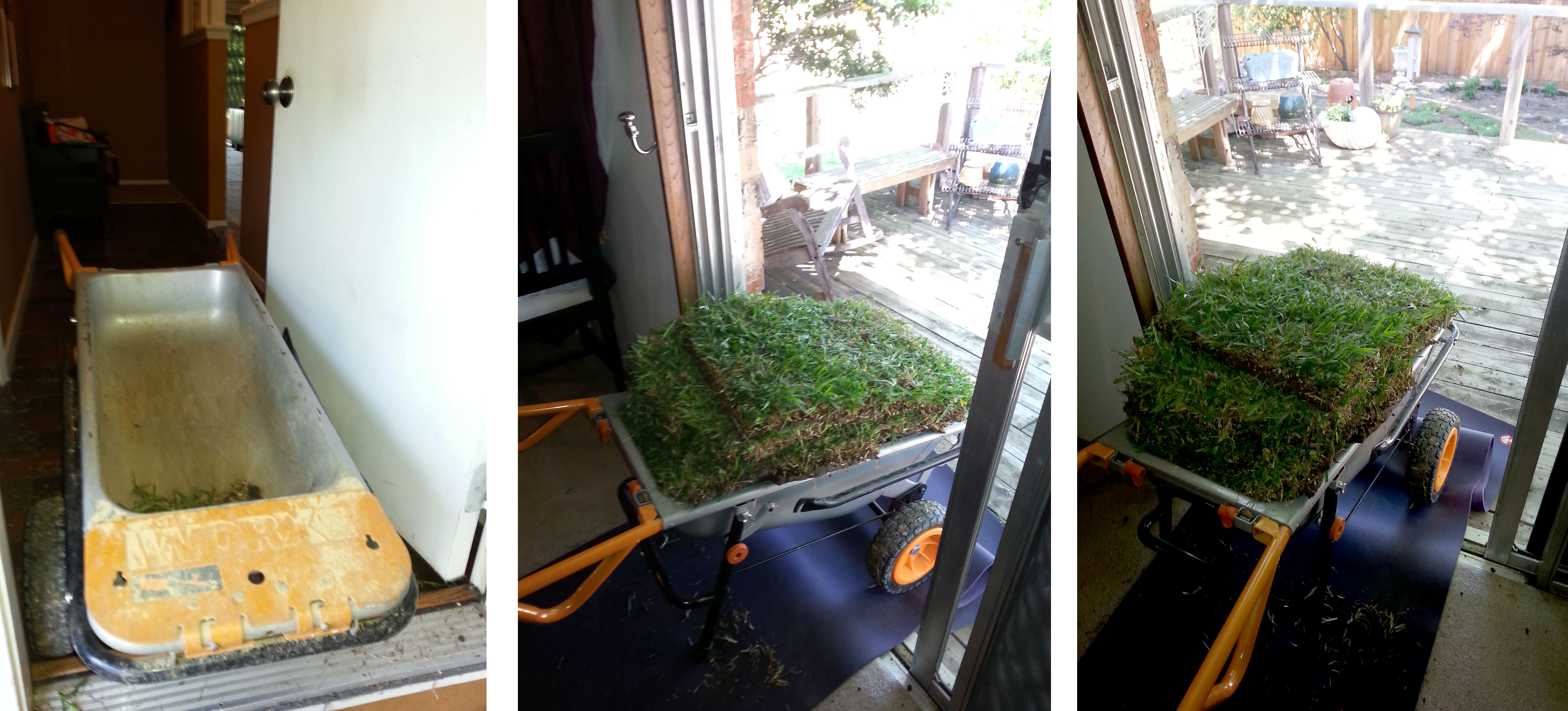
Because the backyard was still super saturated and muddy. I decided to haul the sod from the Jeep to the backyard via a direct route through my house.
No joke, that’s exactly what I did.
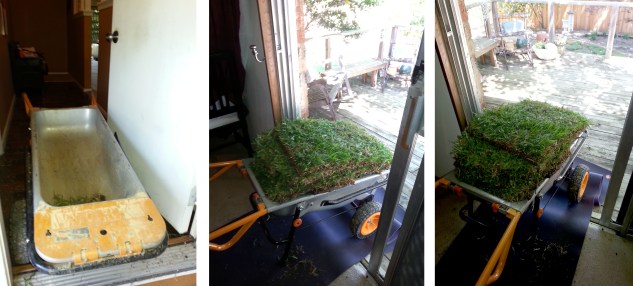
housesod3

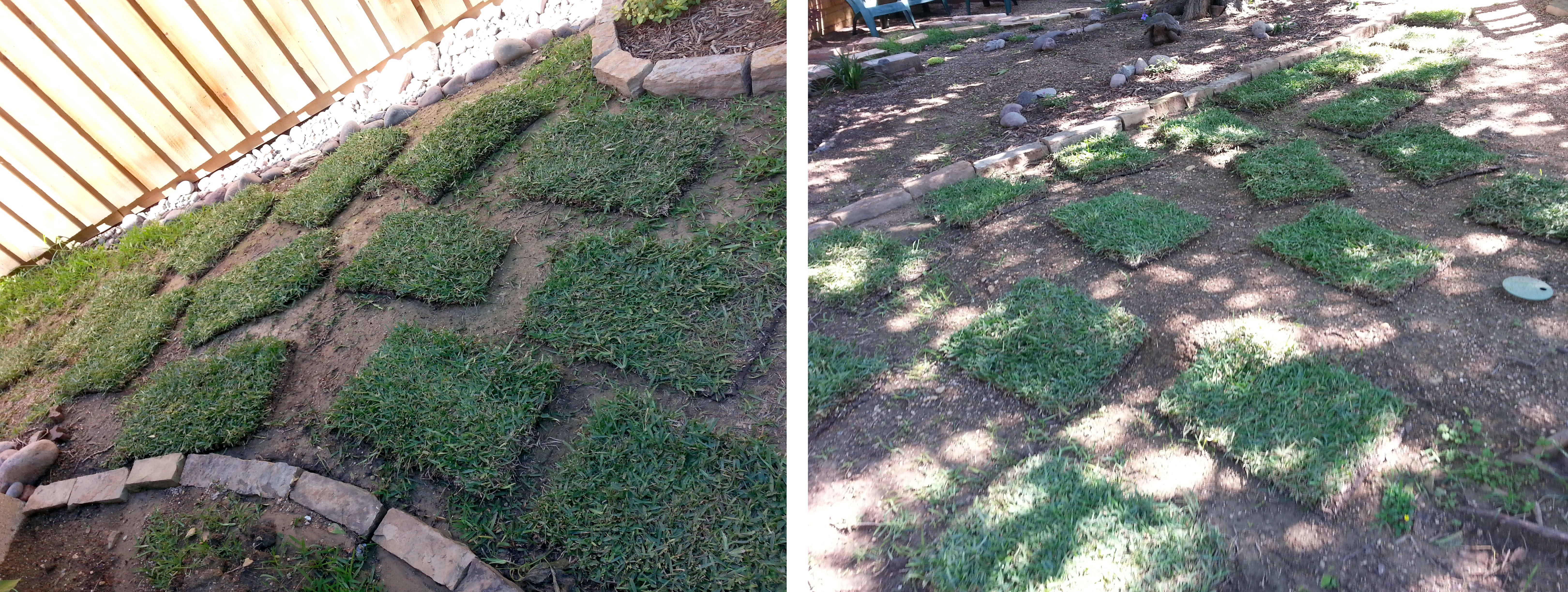
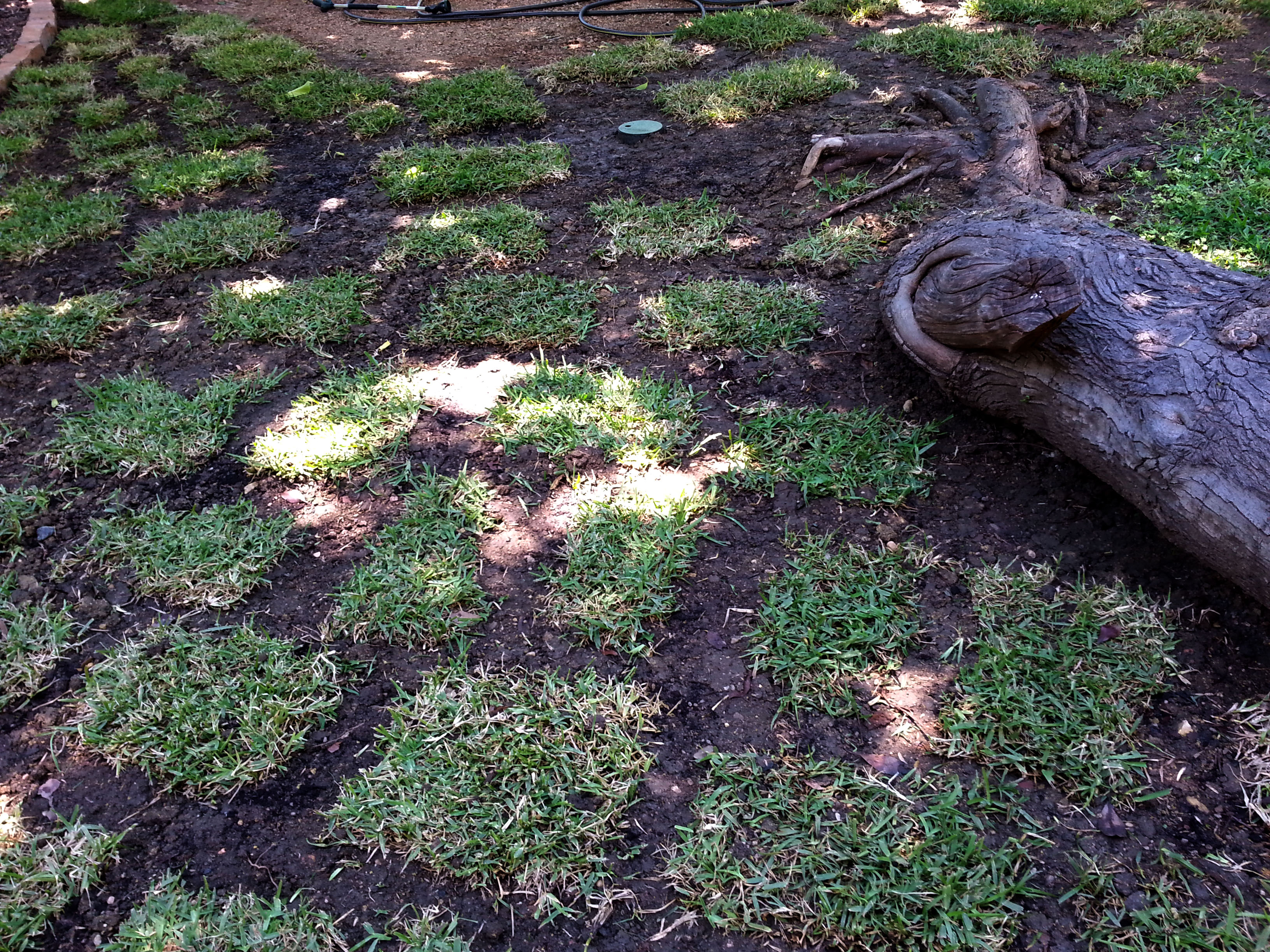
Once the sod was unloaded, I placed the sections out across the yard in the areas I planned to cover. I didn’t buy enough sod to blanket the yard, so my plan was to use the checkerboard approach. Cut each piece into 4 pieces, place each piece apart staggering each row, like a checkerboard. Once the St. Augustine takes root, the grass should fill in, within 3 to 6 months depending on weather conditions.
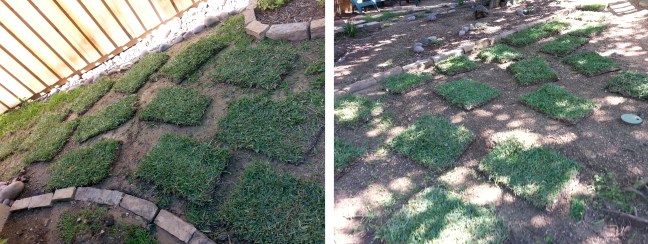
sod_layout2

Repairing a yard can be a slow process. The ground should be moist before you begin. Remove any rocks and debris. Dig a section of ground, loosen/till the surrounding soil, amend the loosened dirt with “soil builder”, plant the grass plug and cover the edges with soil. Once you’ve completed an area, it’s important to water it in. Walk on or tamp the sod into the ground so it will make good contact with the soil underneath.  This procedure is for repairing areas. To sod a complete yard. The process varies slightly.
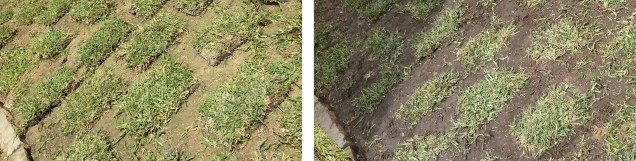
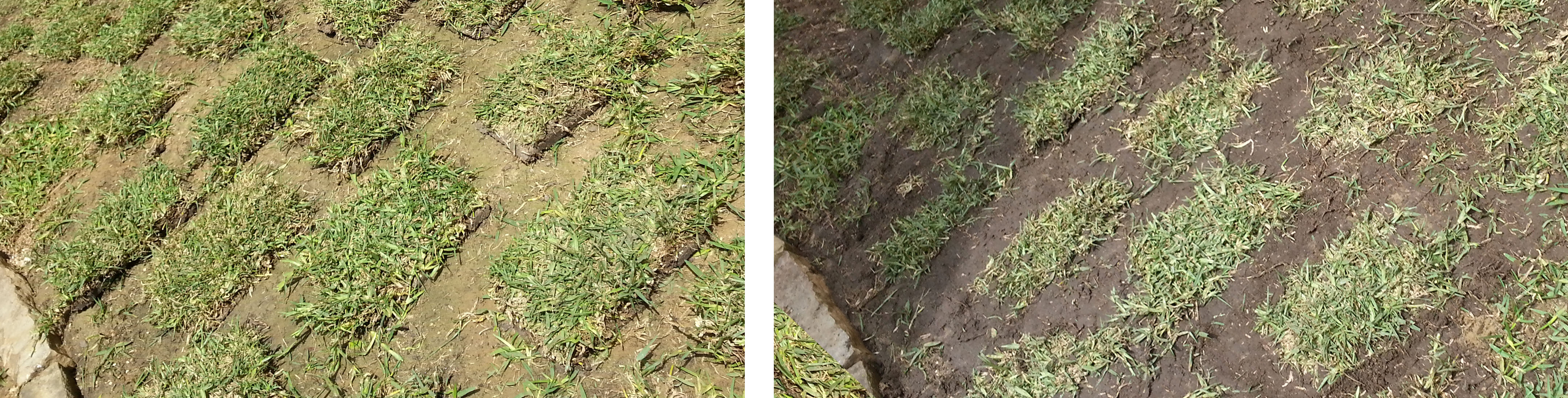
before_after

This project took a total of 6 days to complete. The first day I spent 4 hours on the pathway that leads from the front gate to the back and then the area along the bottom of the dry creek bed. Throughout the week, after work, I spent the last 2 hours of daylight sodding the center of the yard. Finally when Saturday rolled around I was able to finish the center and filled in random bald spots in the yard with the leftover scraps.
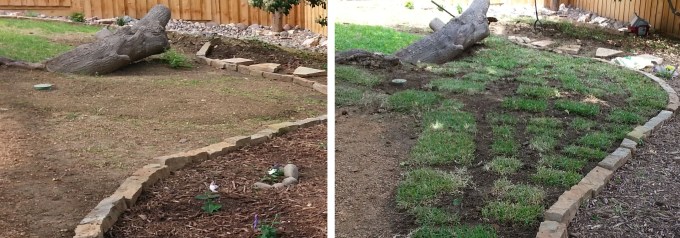
beforeafter2

Next comes the fun part, watering every day. The information I found online indicates you should water in the mornings, daily for 10 days. Followed by three times a week for several weeks then you should be able to begin a normal watering routine. My yard is so waterlogged, it’s a delicate balance. I water the top of the grass very lightly, so the surface is slightly damp. The yard stays wet from day-to-day, so a good soaking is not currently required. The grass is still green and I’m watching for dead spots. The Dallas area has seen it’s share of rain for the past couple of days and the forecast indicates continued rain for the next 7 days. This is a mixed blessing. The ground is too muddy for the grass to take root, but the rain has nutrients to help the growing process.  Only time will tell if my sod will take, grow, spread and flourish.

growbabygrow

Day 11: a stinky situation

I was raised to be optimistic, a glass half-full kinda gal. My plan was to have an awesome backyard by Spring 2015.  As they say . . . shit happens.

The backyard redo was put on hold so many times, I found it ALMOST amusing. You won’t find me complaining about the extremely, wet winter Dallas endured. We needed every drop. The water-logged ground slowed my progress by several months, but that didn’t sway me. I understand you can’t control the weather. You wait it out.

So believe me, when I say, the wet Dallas winter saved me from true heartache.

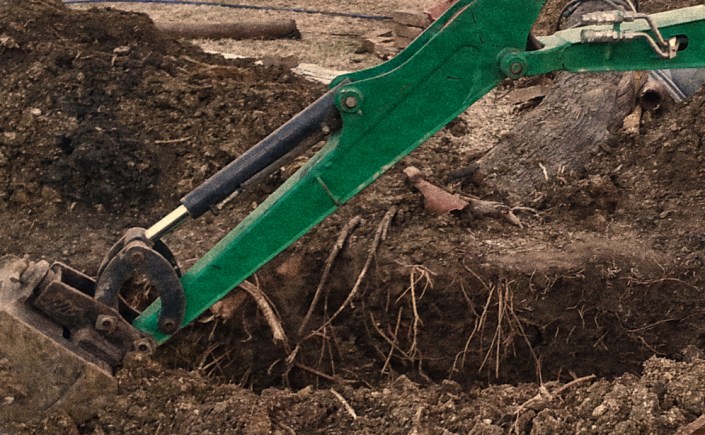
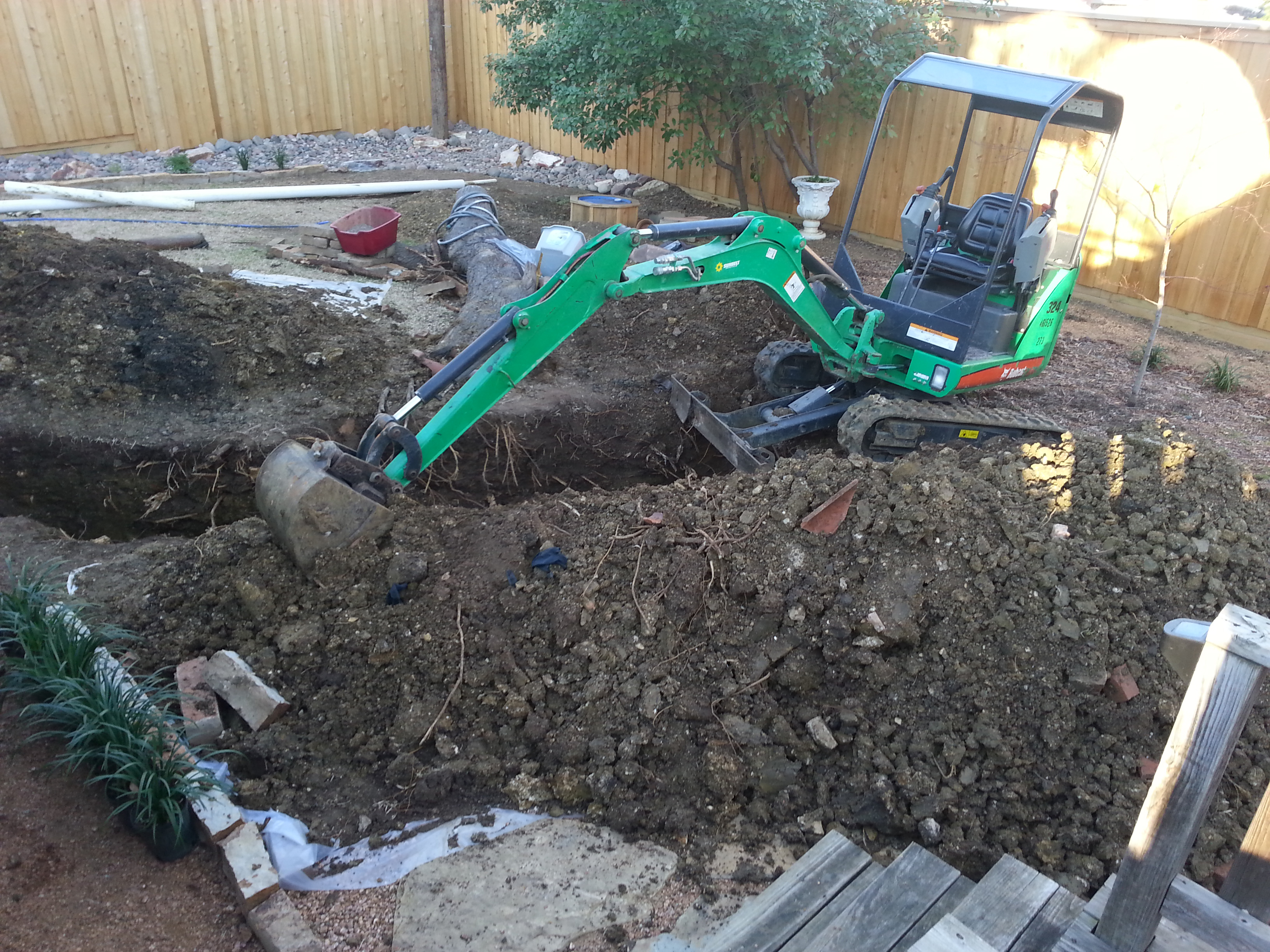
Unbeknownst to me, the main sewer line running through the backyard was about to fail in a big way. The line located 10-ft underground had broken in half. The only way to access the pipe was to use a backhoe. Needless to say, the repair destroyed a big portion of my yard.

backhoe2

sewer_10ft

Here’s my optimistic spin.
If the winter had been drier. I would have made more progress on the yard. If I had made more progress, all the work would have been destroyed.

So thankfully, it was a rainy Winter. I made little progress and lost little when they destroyed the yard in late January. Yes, there was damage, but it could have been MUCH worse. The major repair will be re-sodding. Not too bad considering.

I now have a shiny new sewer line to go with an updated backyard space that should be completed by mid Summer, hopefully.  🙂

guest bathroom 3: wallpaper woes

As luck would have it, the previous owners glued the wallpaper directly to the drywall. Not the best news. My choices were simple. Replace the drywall or paint over it.
I opted for the cheap choice, paint.

Before you even think about painting over wallpaper you must prep, prep and then prep again.
Below are the steps I followed before I painted my bathroom

Step One: Remove everything from the walls. Including: pictures, toilet paper holders, towel bars, mirrors, lights and any other fixtures to make painting a breeze.

Step Two: Remove any loose paper edges or tears. If removing loose wallpaper sections are damaging the drywall, apply wallpaper paste to the section and re-adhere to the wall. Allow sections to dry properly.

Step Three: Spackle and sandpaper. Just like you would prep a basic wall for paint you must prep your wallpaper wall. There are several options for spackling paste, I grew up using Patch-n-Paint but any brand will work for this step. Inspect the walls, fill every hole and indention you come across. Keep in mind, all the imperfections will become more obvious once you paint a flat color over the wallpaper.

Step Four: Hide the seams. This can be achieved using spackling paste. Just like you fill the holes left by nails, you can fill the seams where the two sections of wallpaper meet. This not only hides the seams when you paint but it also seals out any moisture than may come in contact with the paper.

Step Five: Add a thin line of clear caulk around the perimeter of the walls, at the joint seam where the paper meets the floor and ceiling. This will help seal the edges and keep the paper from peeling after you’ve painted. Make sure the caulk lays flat, smooth out with a wet finger as you go along.

Step Six: Primer. Paint your walls with an oil-based primer. The moisture in latex primers and paint may cause the wallpaper to bubble or peel. Once the first coat of primer has dried you might notice new imperfections. This is the perfect time to fix.  If needed, paint a second coat. Walls will typically need at least two coats of primer to hide the patterns completely.

Now you should be ready to paint your walls.

SAMSUNG

SAMSUNG

Check out these helpful links:
http://www.diynetwork.com/how-to/how-to-fix-common-wallpapering-problems/index.html#step1
http://www.benjaminmoore.com/en-us/for-your-home/painting-over-wallpaper

Day 10: when a trench becomes a dry creek bed

Creating my first ever dry creek bed has been a labor of love and a lesson in patience. Between rained-out weekends and pesky root systems I was able to slowly make progress.

Step One: The Trench
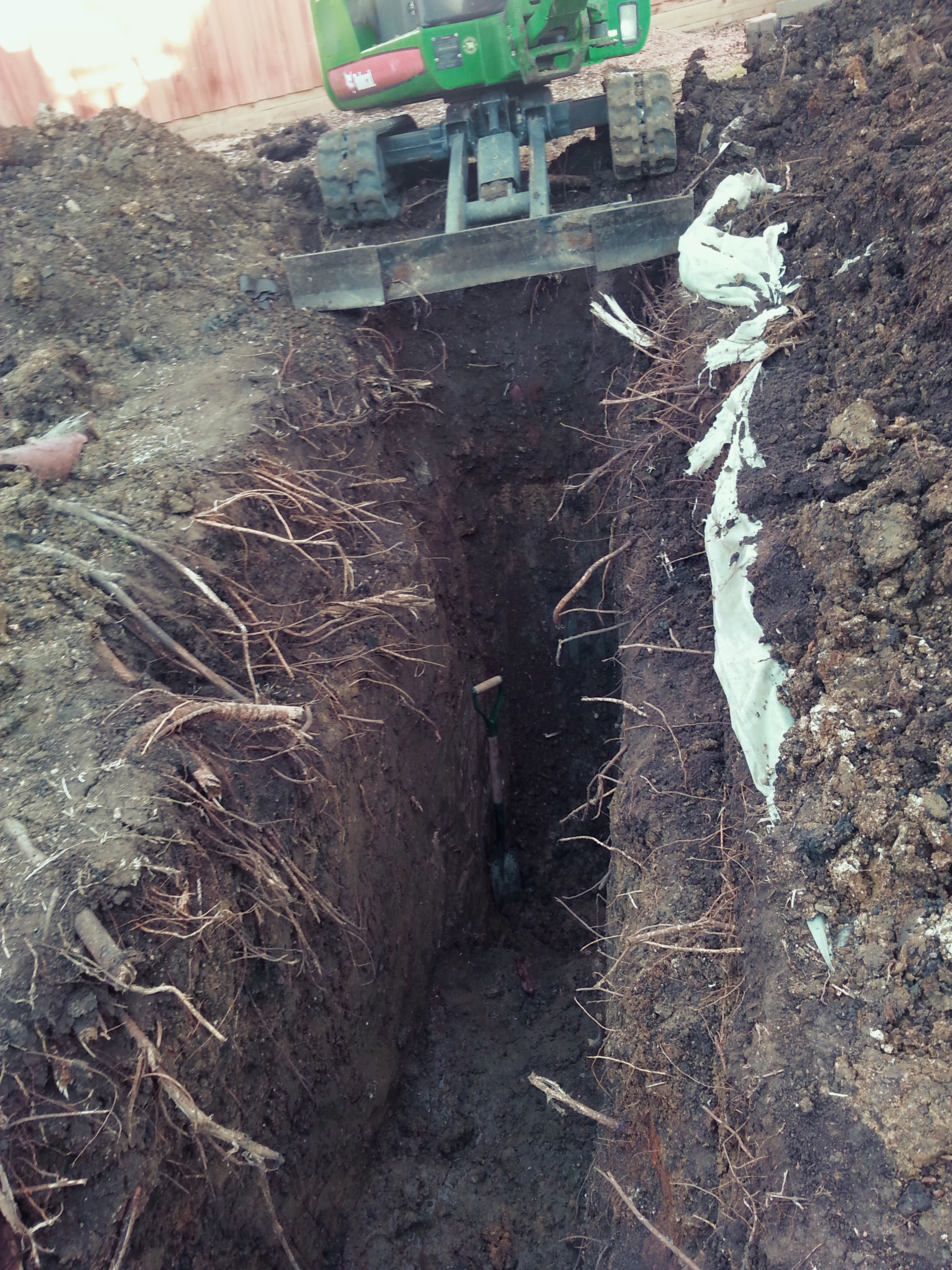
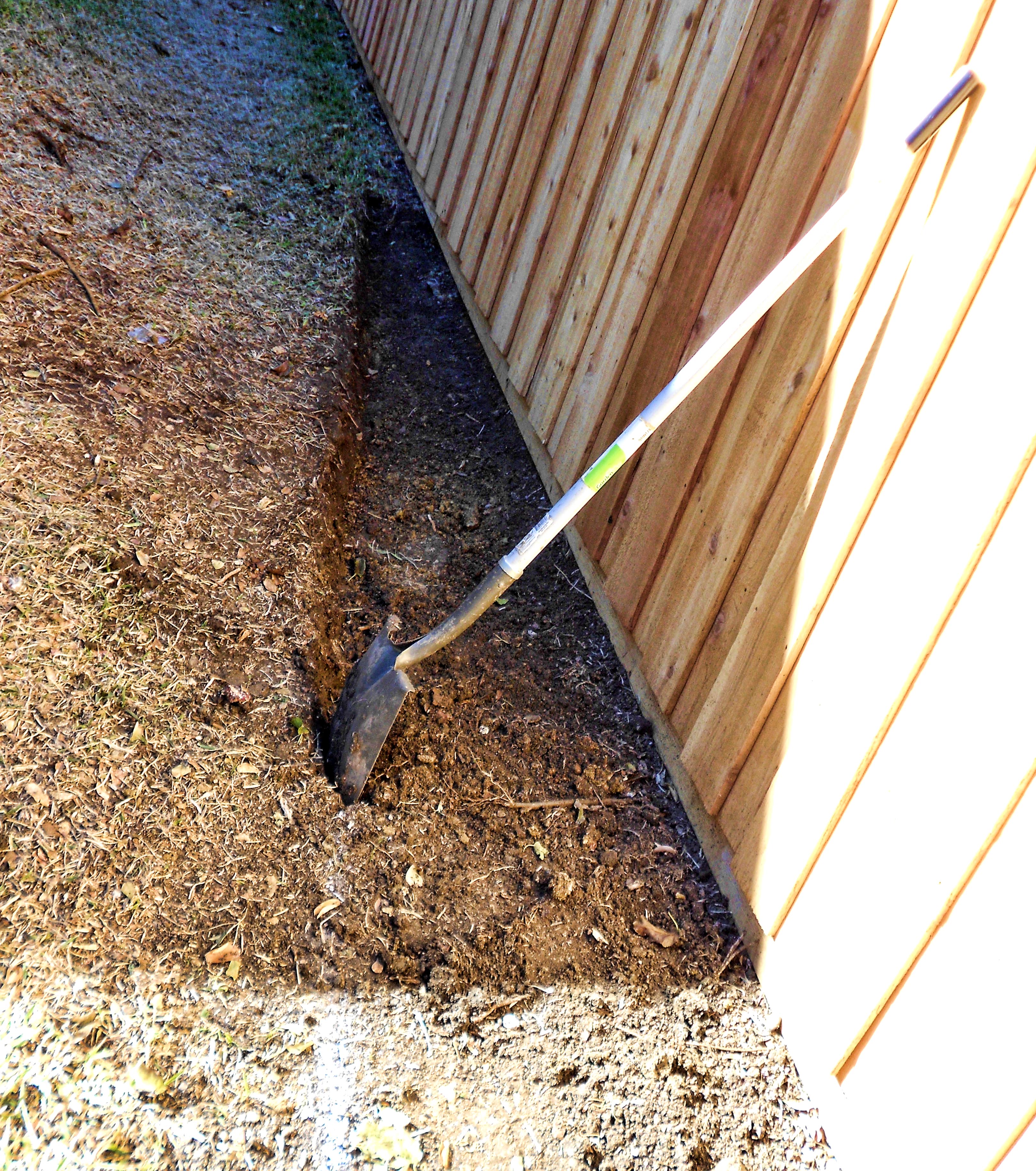
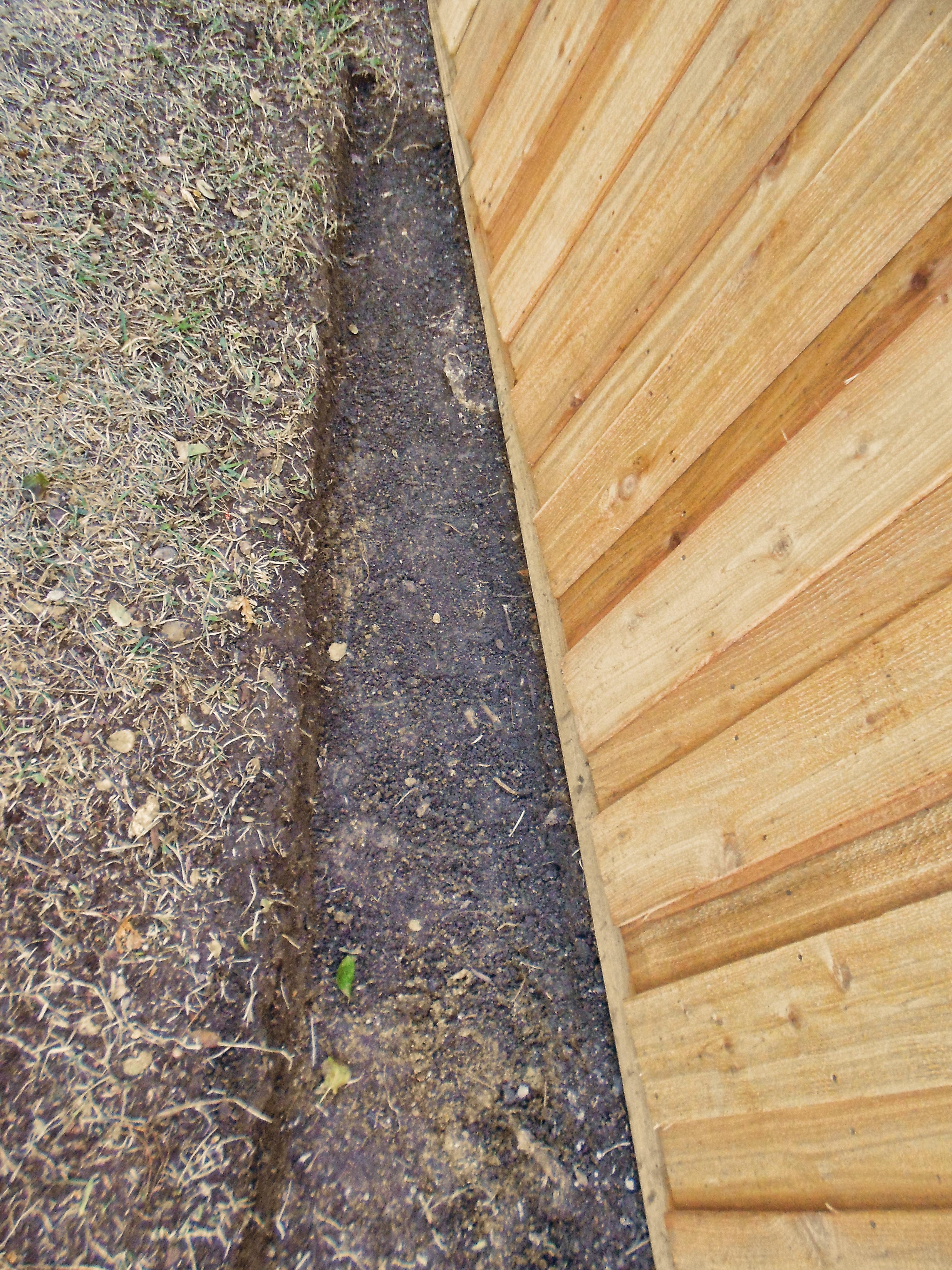
The main job was the trench. Digging along the fence line proved slow and back-breaking. Every few feet I fought with rock-hard top soil, pockets of clay and various roots. Once the trench was dug several waves of rainy days hit the Dallas area. The rain was a blessing. The downpour highlighted areas that needed modifications.
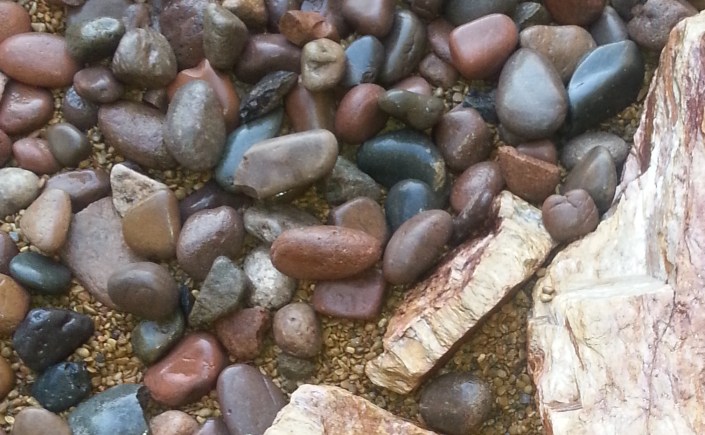
Step Two: Landscaping Fabric – not this time
For some, the second step, would be to place landscaping fabric to help control weeds. I opted to pass on this step, just means I will be pulling weeds, which is fine.

Step Three: Layering The Rocks
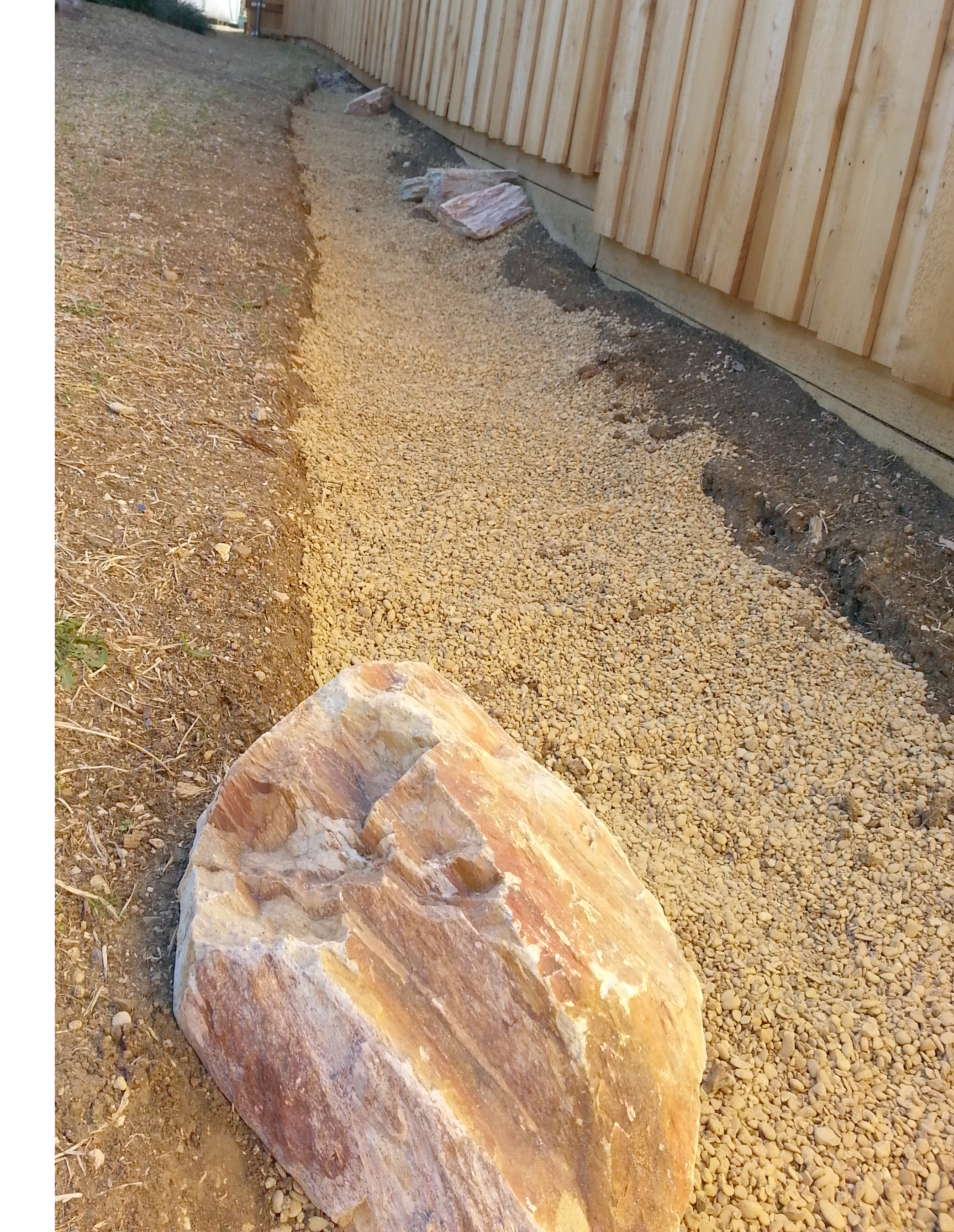
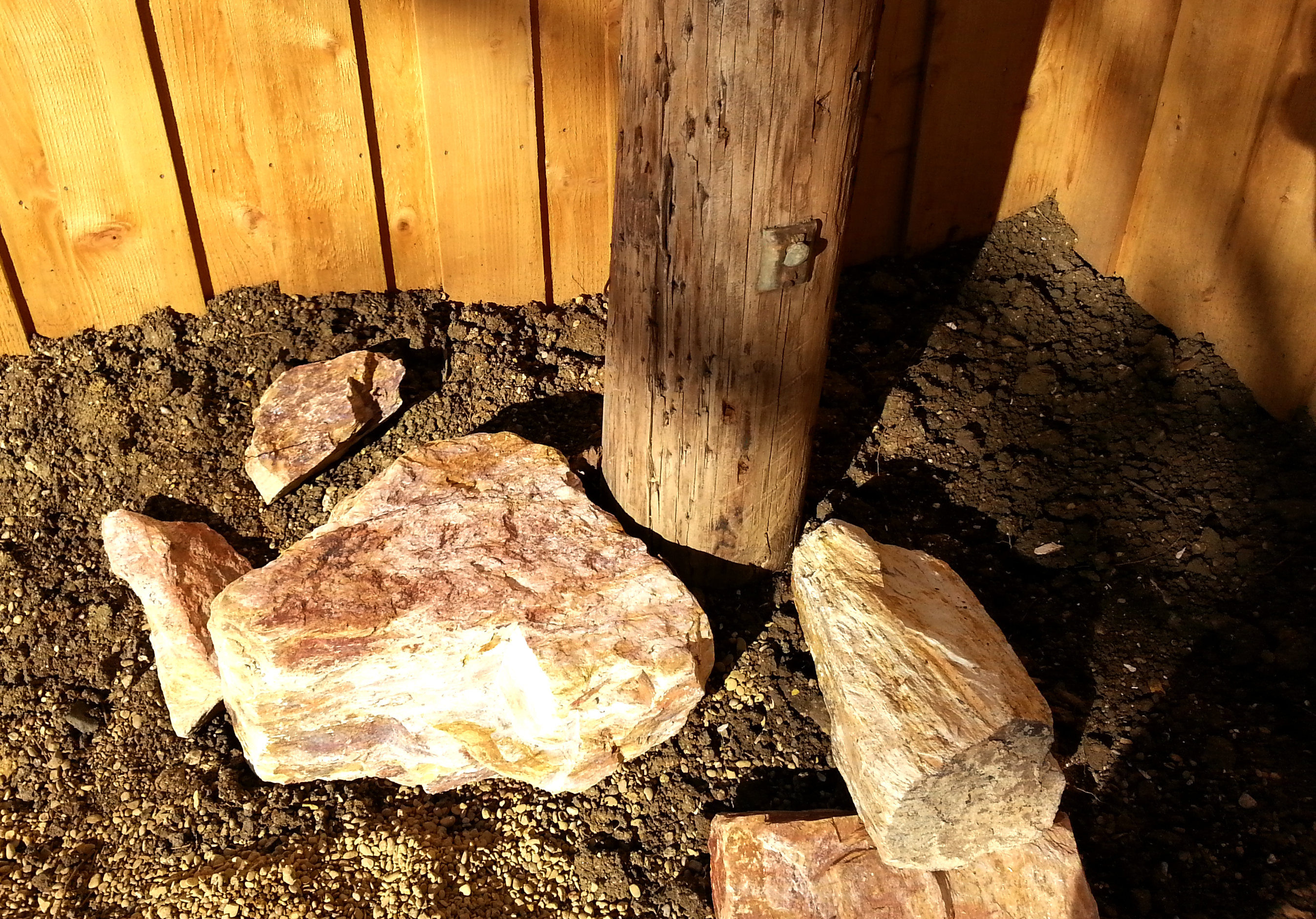
First, was boulder placement. I picked random areas along the trench to place the boulders. The boulders add visual interest. Second layer, pea gravel. It’s a cheap base filler. Third layer, large river rock. I used the larger river rock to edge the trench. Layer four, medium river rock to fill the balance of the trench. The final layer, small river rock randomly thrown over the medium river rock to add texture.  All in all, I shoveled, lifted and placed 3.5 tons worth of rocks.

trenchpea_gravel_layer

boulders2

large riverrock

creek bed

dry creek bed

bed

Day 9: in the trenches

On a half-decent day, I began working on one of the trenches that will flank the side of my yard. The plan is to create a dry river rock bed which should allow the water to flow naturally. This is an easy form of erosion control. I’m not changing the direction of the flow, just adding rocks underneath so precious soil will not be lost. I’m working with nature not against it.

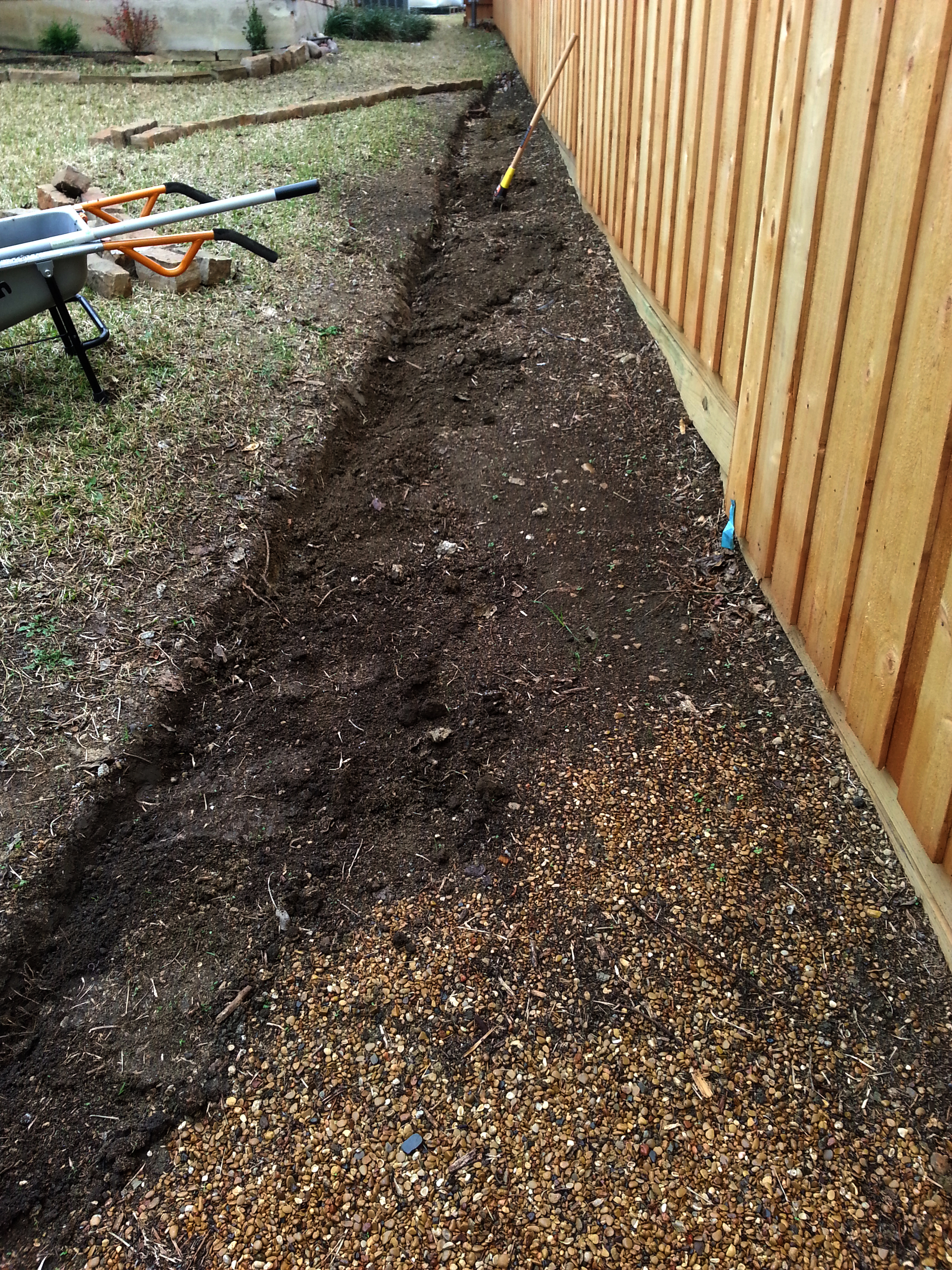
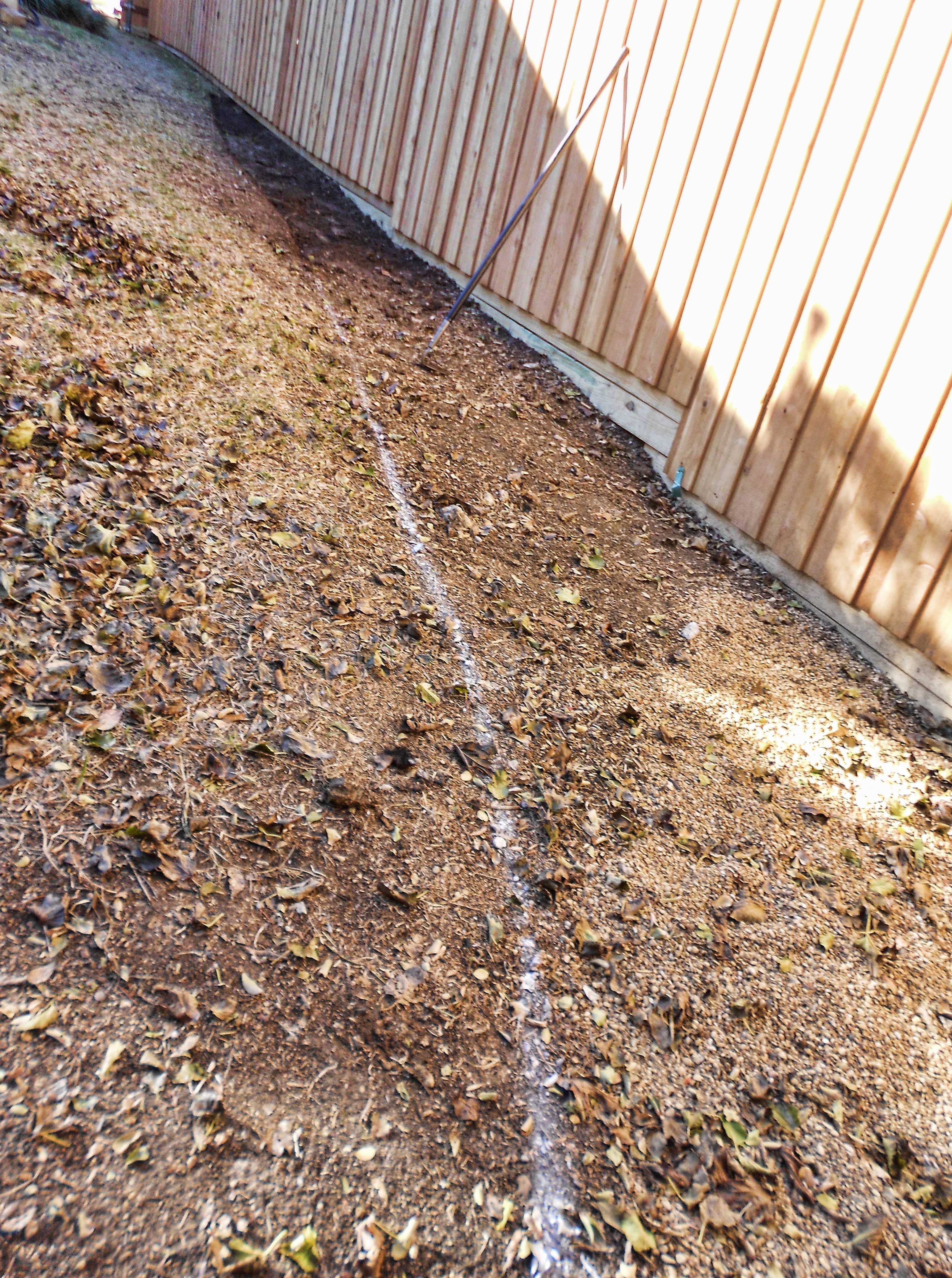
Before I began to dig the trench, I used my trusty garden hose to map out the natural erosion line. I marked the edge of the hose with spray paint so I could easily create a natural, smooth edge as I go.

The digging of the trench is slow and I’m running into a lot of small roots. This is going to take longer than I had hoped. 🙂   I’ll keep you posted on the progress.

trench_linex

trench_line3

trench_line4

Day 8: parting of the patio

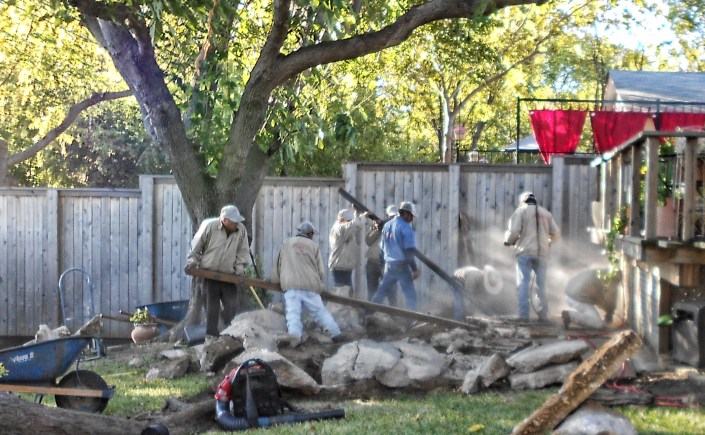
This was my final backyard project requiring a crew of strong, experienced men wielding jackhammers. The ask was simple. Remove existing concrete and replace with extra-thick slabs of flagstone.

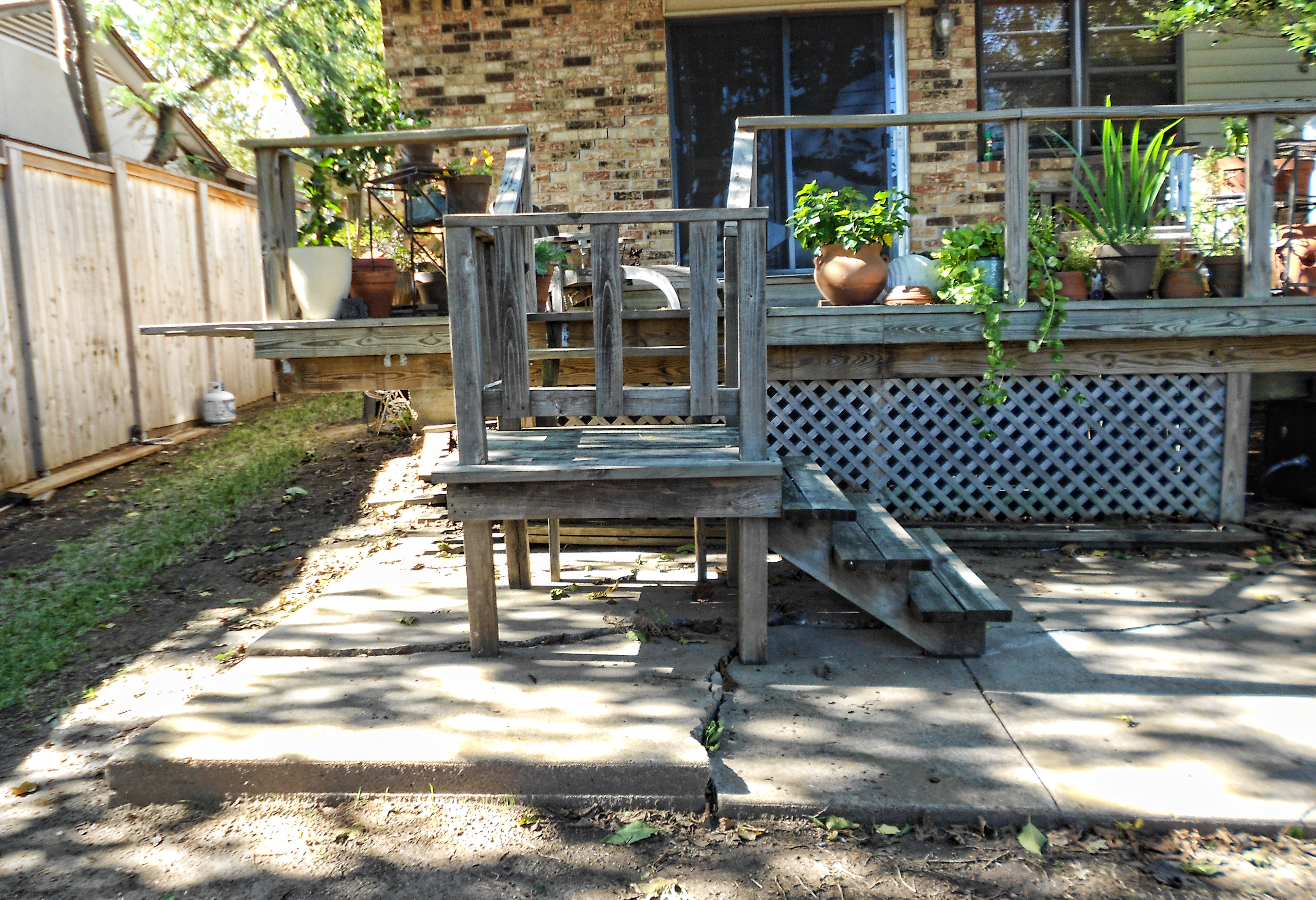
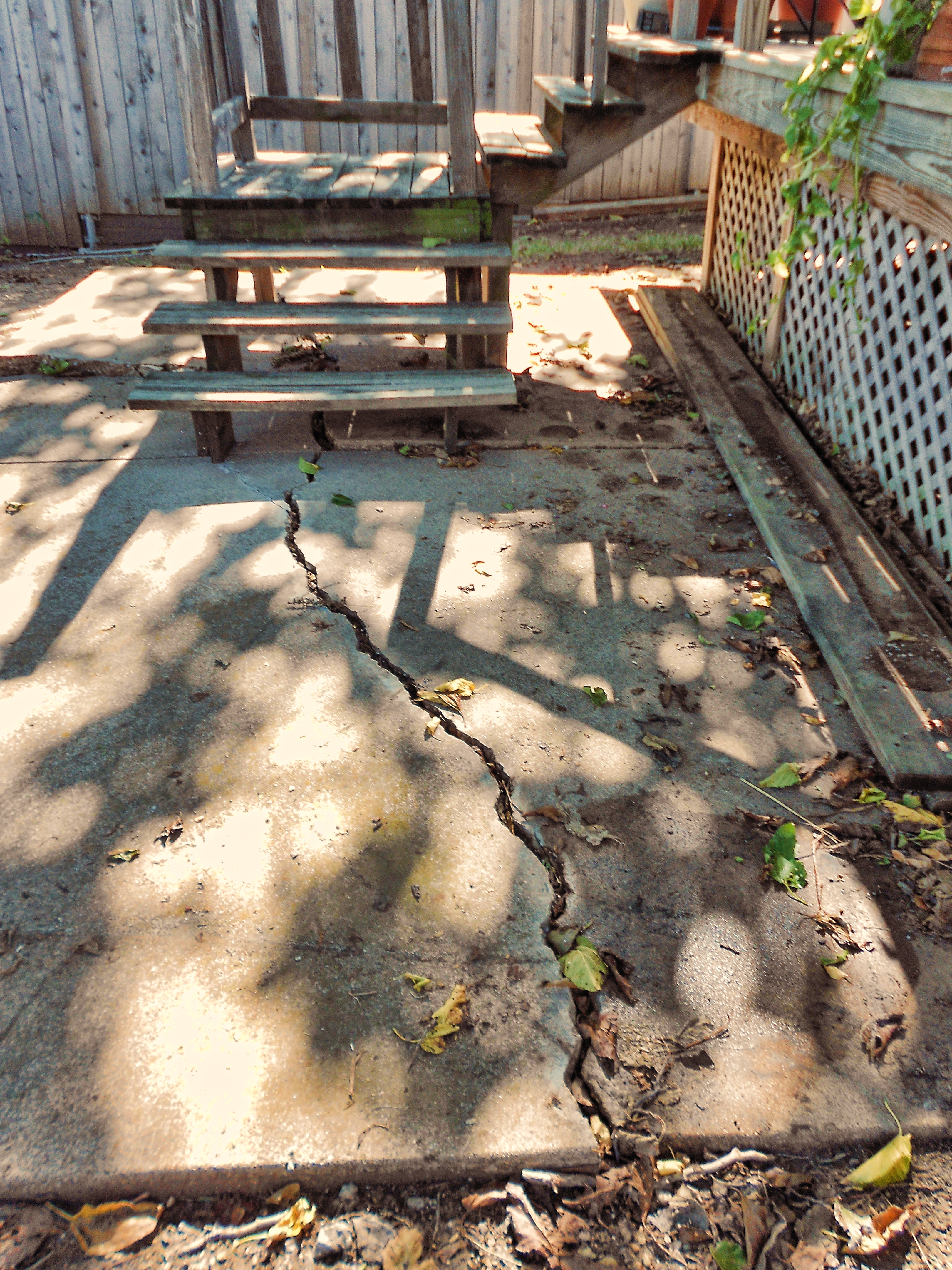
The patio facelift turned out to be anything but easy. The homeowner before me covered the original 1964 patio with another layer of concrete. The removal was slow and extremely difficult. This “simple” project took 8 men, working in shifts for a total of six hours. When the project was completed, I was advised by Randy, he would have never bid so low, If he had known about the older concrete hidden underneath.

Randy honored his original bid. (thank you Randy)
I now have a wonderful space to work with.

Many thanks to Randy Johnson and his team.
Johnson’s Landscaping Services

Before photos:

before1

before3

before2

During photos:

during1during2

_

After Photos:

after2after3

_

after4